Professional Barrier Gate & Parking Solutions | Baroxon®

Heavy-Duty Parking Barrier Buying Guide for Malaysia
Release time:
2026-11-02
Introduction: Why Heavy-Duty Selection Matters
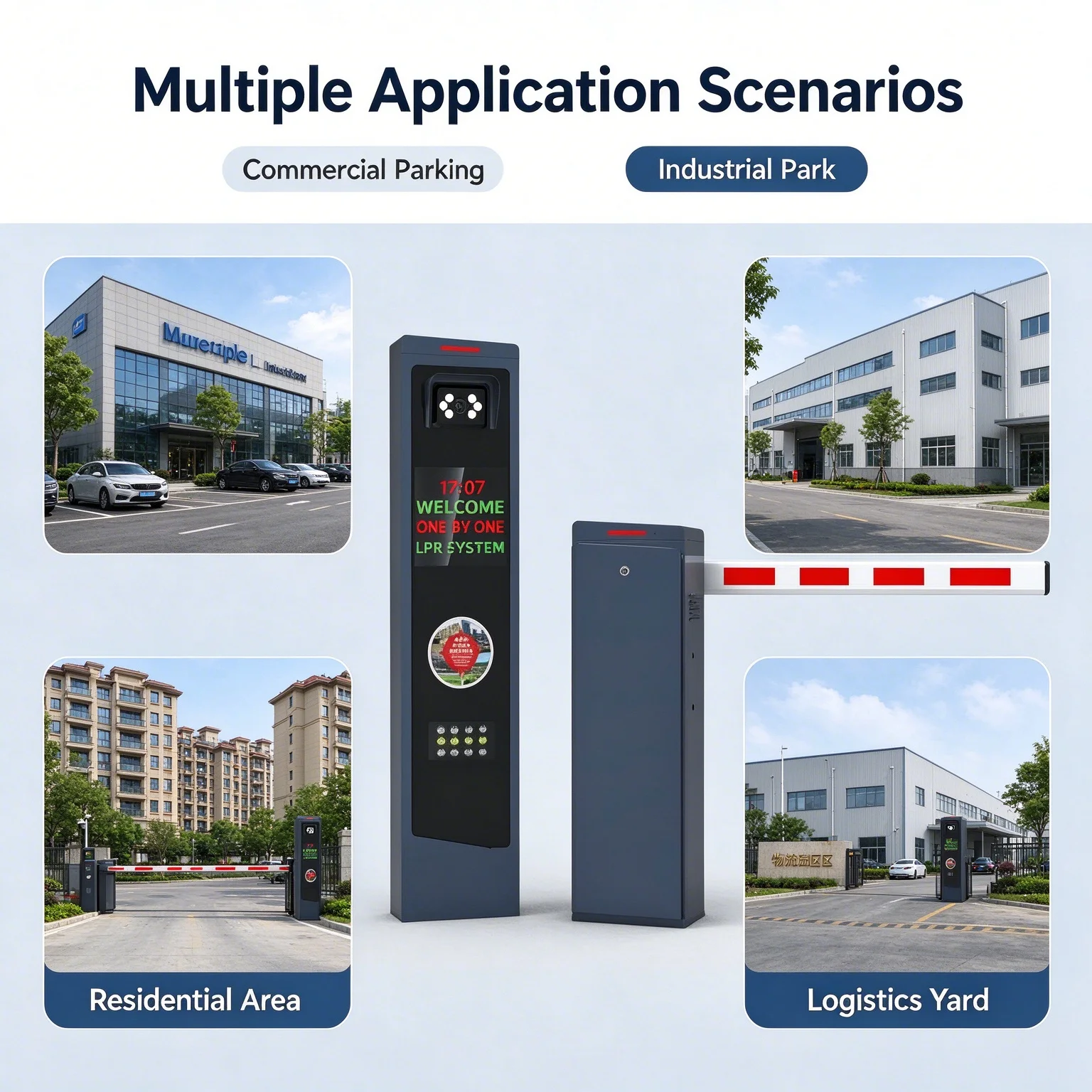
A heavy-duty parking barrier is used at entrances that handle a high volume of vehicles and need consistent access control. Typical locations include industrial areas, logistics warehouses, commercial centres, condominiums, gated and guarded communities, and public parking facilities. At these sites the barrier is not simply a physical obstruction; it is part of the security and traffic management system.
A poor selection shows up quickly: the barrier breaks down too often, vehicles queue for longer, maintenance costs rise, or the access system does not perform as planned. Buyers in Malaysia therefore need to assess the site conditions, vehicle count, operating frequency, weather exposure, safety features and integration requirements before committing to a model.
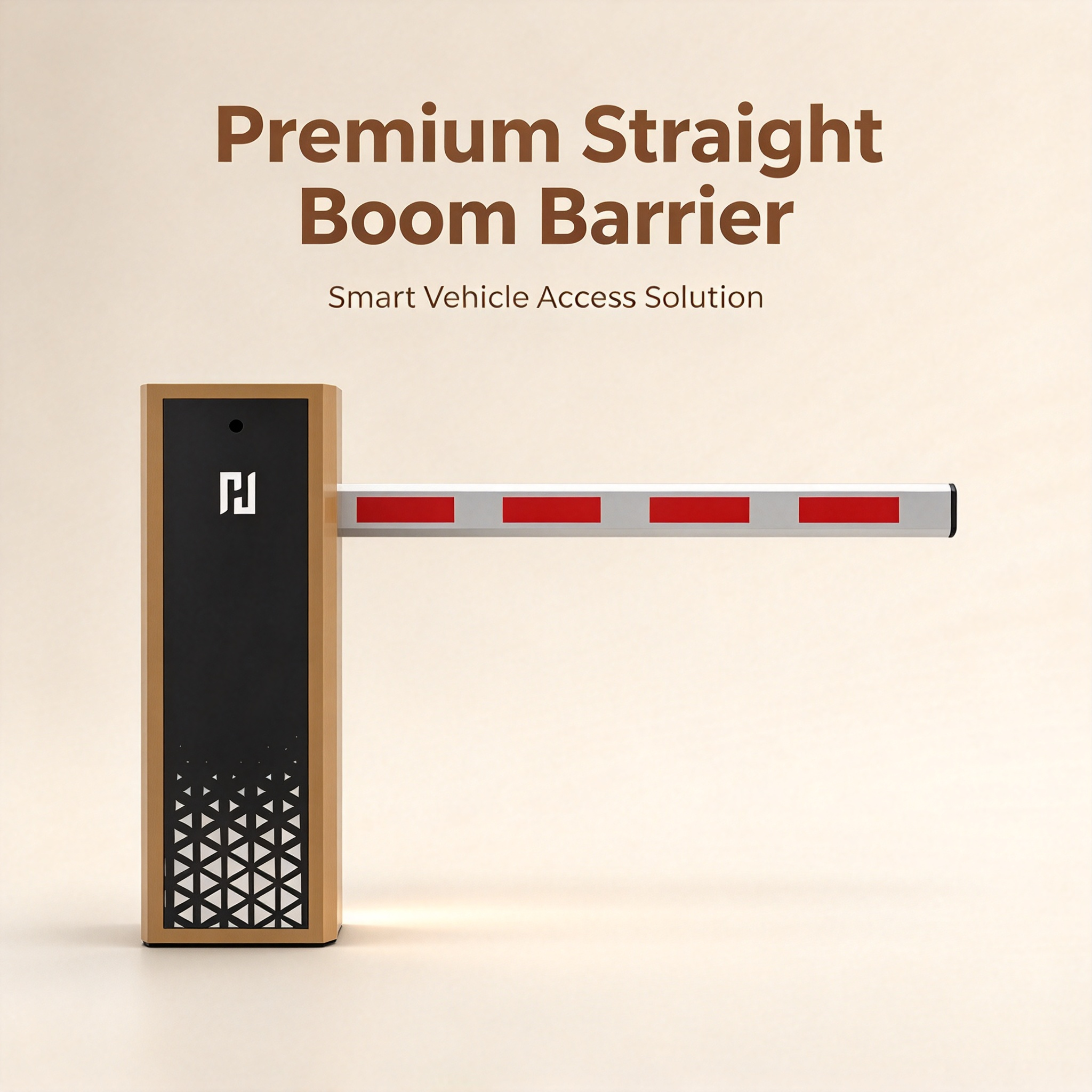
1. Estimate the Vehicle Count and Daily Operating Cycles
The first thing to establish is how many vehicles pass through the entry and exit each day. A factory gate running three shifts, a distribution centre, a shopping mall car park and a high-rise residential area can have very different traffic patterns. Estimate the number of open and close cycles at peak time and across the full day, not just the average vehicle count during quiet hours.
For intensive use, check whether the selected model is rated for high-frequency or continuous duty. Some BAROXON configurations list a 100% duty cycle, continuous operation or up to 5,000 cycles per day. These figures must be confirmed for the actual model, motor and configuration being supplied; do not assume that every barrier has the same capacity.
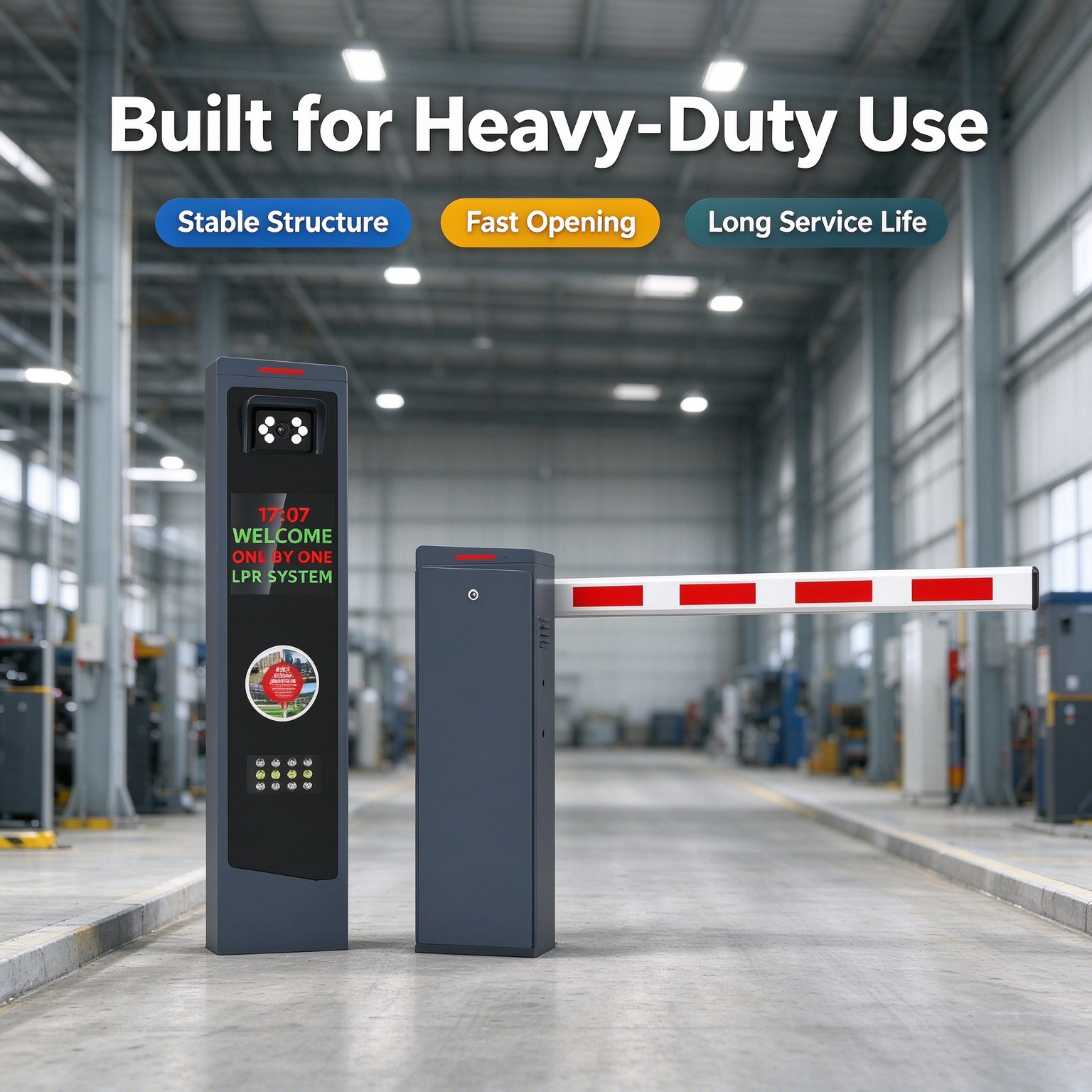
2. Match the Motor to the Workload
The motor determines how the arm moves, the level of control, how smoothly the barrier operates and whether the system suits frequent traffic. Across the BAROXON range, motor options listed on selected configurations include 24V DC brushless, AC and servo motors. A brushless DC motor can be considered where smooth motion control and frequent operation matter, while other options should be assessed against the system design and site requirements.
Do not choose a motor on the strength of a "heavy-duty" label alone. Ask the supplier to explain how the motor matches the arm length and weight, the cycle rate, the opening and closing speed, the power supply and the manual release method. Make sure the specification quoted refers to the same model as the unit in the quotation.
3. Decide the Boom Arm Length and Design
Arm length has to match the lane width and the mounting space. BAROXON lists adjustable arm options of roughly 1 to 6 metres on certain configurations. Before ordering, measure the actual lane width, the position of the traffic island, the distance from the post, the ceiling height and the space needed for the arm to move.
The arm type also has to suit the site. A straight arm is usually appropriate for an open lane with enough vertical clearance. A folding arm can be considered where height is restricted, such as a multi-storey car park entrance. A fence arm, or a boom with several rails, can be used where the physical barrier needs to be more complete. Compatibility between each arm type and the motor must be confirmed.
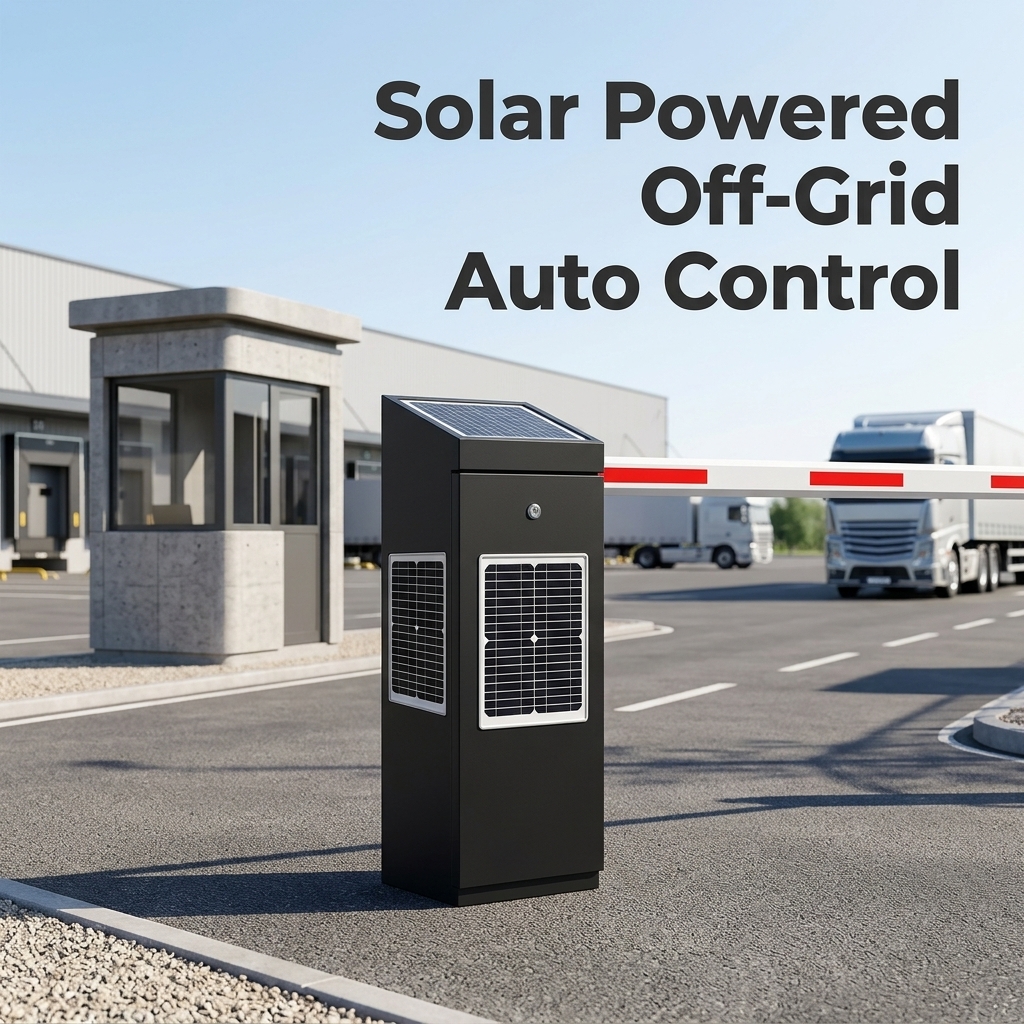
4. Check Weather Protection for the Malaysian Environment
Malaysia is hot, humid and subject to heavy seasonal rain. A barrier installed outdoors therefore needs protection suited to the installation environment. Check the cabinet material and finish, the sealing on the panel doors, the protection of cable joints and the way rainwater drains away from the site.
Some BAROXON configurations list IP54, IP65 or IP66 protection. The level required depends on the location, exposure to rain or dust and the mounting design. Confirm that the stated IP rating applies to the relevant components and genuinely applies to the model being purchased. An IP rating does not mean the whole system can be submerged, and it does not remove the need for maintenance.
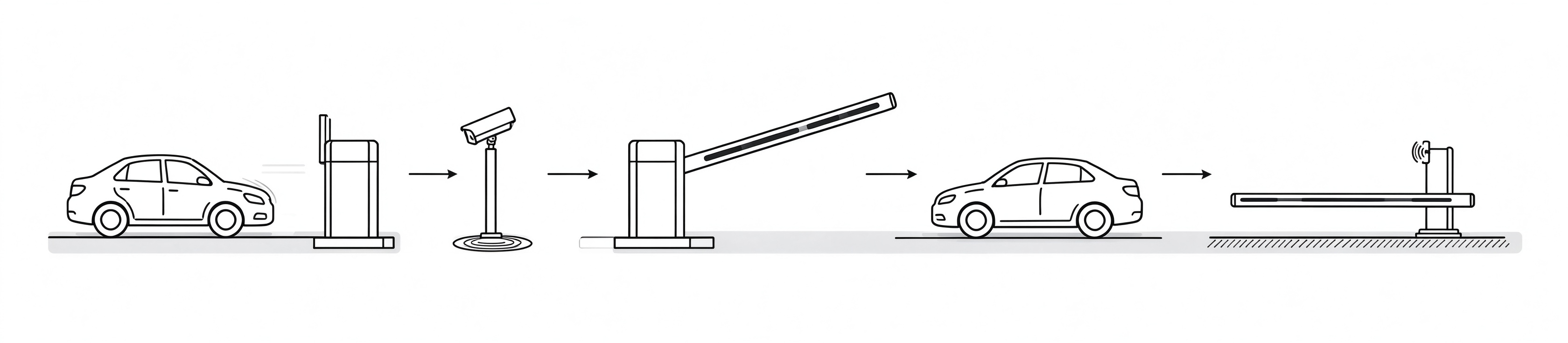
5. Prioritise Safety Features and Obstacle Detection
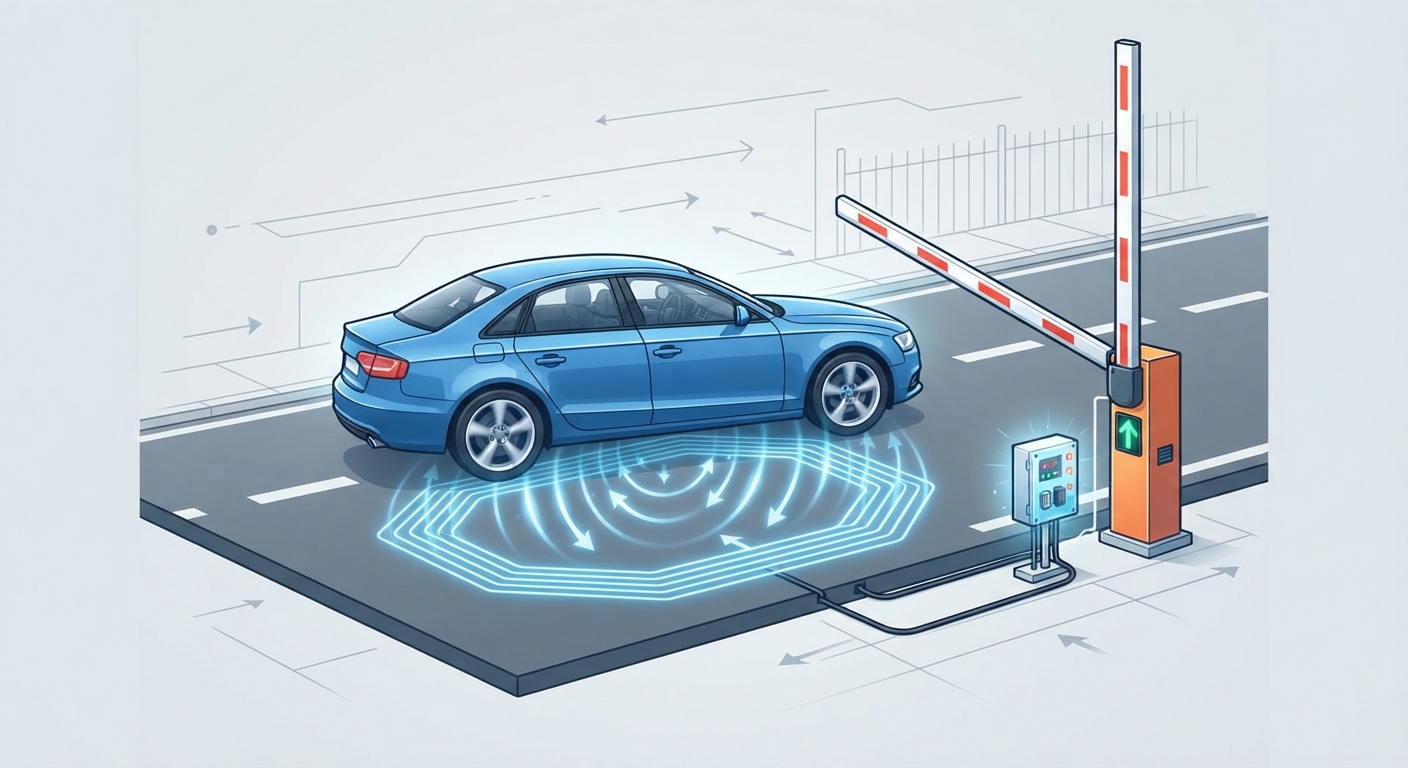
A heavy-duty barrier has to operate safely alongside cars, motorcycles, pedestrians and security staff. Check support for inductive loop detectors, radar sensors, infrared photocells or other detection devices that suit the lane layout. Sensors should be selected and positioned according to the real risk at the site.
Ask whether the system supports anti-crush, auto-reverse or bounce-back when an obstruction is detected, and how those functions are tested and maintained. Anti-collision design on some models or configurations may reduce damage when the arm strikes an object, but it is not a substitute for safety sensors, operating procedures and correct installation.
6. Make Sure the System Can Integrate with Access Control
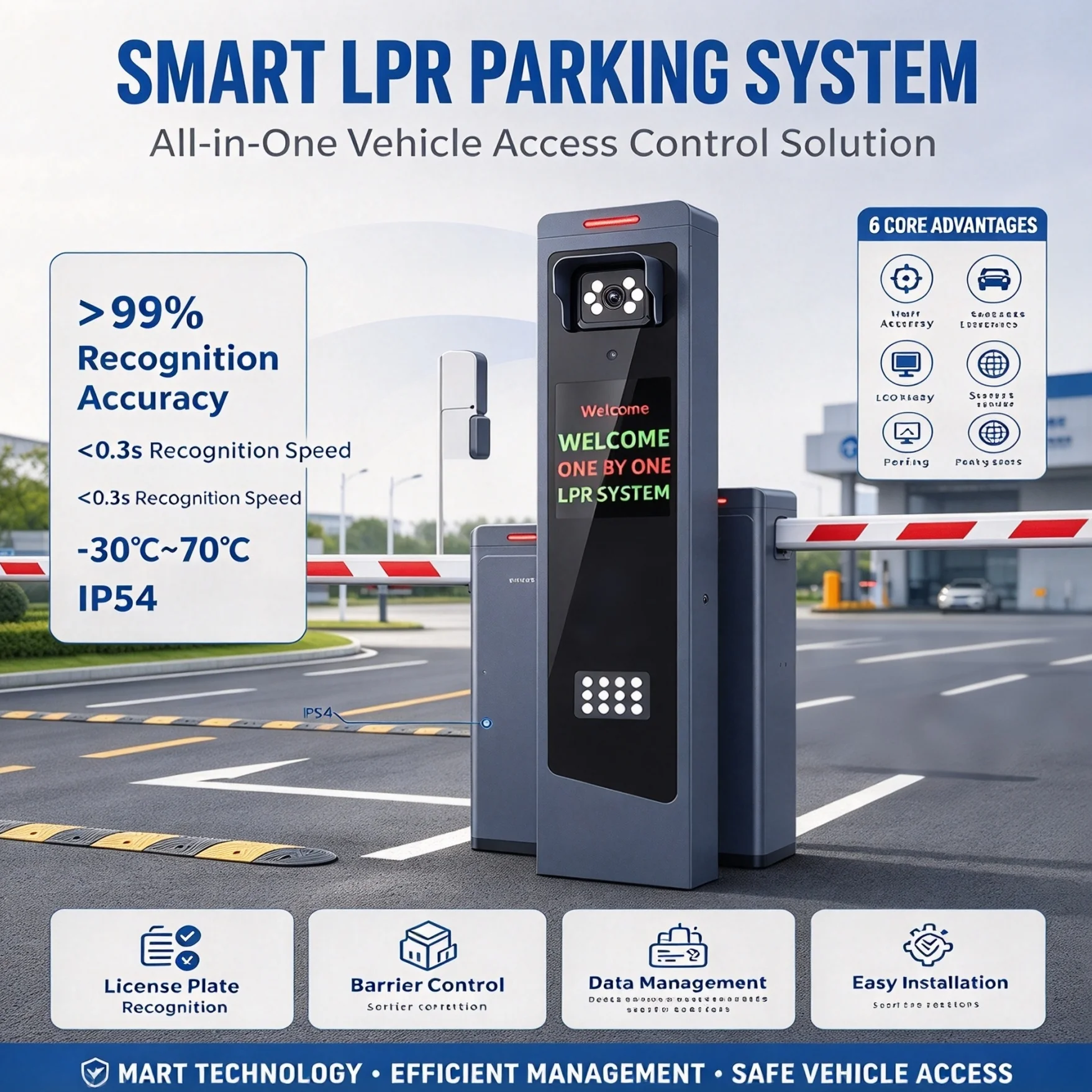
At many sites in Malaysia the barrier has to connect to an existing access control system. Vehicle or user identification may involve RFID cards, UHF readers, remote controls, guard buttons, QR codes or automatic number plate recognition (ANPR/LPR), depending on the project configuration.
Before buying, request the list of interfaces and communication protocols supported by the model. Check whether the controller can accept signals from access readers, LPR cameras, parking management systems, lane lights or third-party software. Do not assume that every model has the same ports, protocols or network functions.
7. Compare Operating Speed with Traffic Requirements
Opening and closing speed affects waiting time at the entrance. A high-traffic lane may need a faster operating cycle, but speed has to be balanced against arm length, arm weight, user safety and site conditions. BAROXON lists different speed options on certain configurations, including adjustable settings; actual figures should be confirmed for the arm length and model selected.
Do not automatically choose the fastest model. If the lane is narrow, has a bend, is shared with pedestrians or has limited visibility, safety design and traffic control may matter more than maximum speed.
8. Assess Mechanical Durability and Serviceability
For heavy operation, check the mechanical life stated by the manufacturer, the test method, spare part availability and the internal structure of the unit. BAROXON lists MCBF figures such as 3 million, 5 million or 10 million cycles on certain configurations. MCBF is an indicator that should be read together with the test conditions and warranty scope; it is not a guarantee that every unit will reach that figure without maintenance.
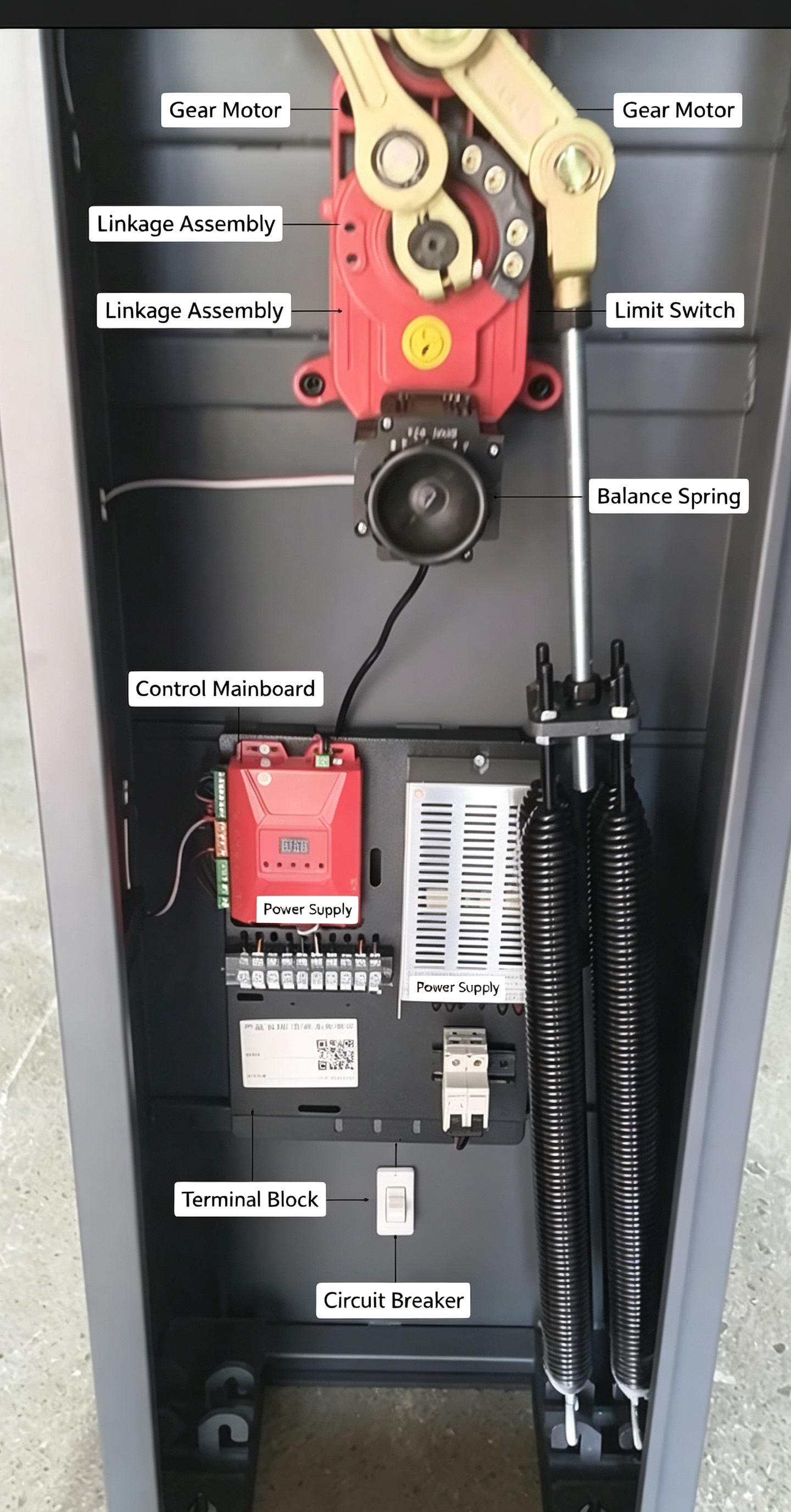
A modular design can make inspection and replacement easier, but the buyer still needs to know which parts can be replaced on site, the spare part lead time, the technical support arrangement and the periodic maintenance procedure. Request the installation and maintenance manual before the project starts.
9. Plan for Operation During a Power Failure
A critical entrance needs a clear procedure when the power supply fails. Ask whether the model provides a manual release (manual clutch or manual release lever), a backup power option and a safe way to open the arm. If auto-lift or battery backup is offered, confirm whether it is included in the quoted configuration or has to be purchased separately.
Define the procedure for security staff as well: who is authorised to operate the manual release, how vehicles are managed while the system is inactive, and how automatic operation is restored once power returns.
10. Compare Total Cost of Ownership, Not Just Purchase Price
The initial price is only one part of ownership cost. Buyers should also consider installation, concrete foundation work, cabling, safety sensors, RFID or UHF readers, ANPR/LPR cameras, software integration, spare parts and maintenance. A system that is cheaper at the point of purchase may need more modification later if it does not suit the site.
Ask for a detailed quotation that states the model, motor type, arm length and type, protection rating, accessories, interfaces, warranty period, installation scope and after-sales support. A price comparison is only fair when every supplier is offering an equivalent scope.
Recommended Configuration by Site Type
| Site type | Selection priorities |
|---|---|
| Factories and industrial parks | High cycle capacity, suitable motor, safety sensors, easy maintenance |
| Warehouses and logistics centres | Wide lane, matching arm length, vehicle access control, stable operation |
| Condominiums and gated communities | RFID or UHF, optional ANPR/LPR, anti-collision safety, two-way operation if needed |
| Shopping centres and commercial buildings | Peak traffic cycles, parking system integration, appropriate speed |
| Multi-storey car parks | Folding arm where height is restricted, sensors and lane control |
Pre-Order Checklist
Use this checklist when comparing supplier quotations.
- Daily vehicle count and estimated open-close cycles have been calculated.
- The model and motor type are stated clearly.
- Arm length and arm type are confirmed against site measurements.
- The IP rating suits the installation conditions.
- Loop, radar or photocell sensors are selected according to risk.
- Anti-crush, auto-reverse or anti-collision functions are confirmed.
- The RFID, UHF or ANPR/LPR integration method is identified.
- The manual operating method during a power failure is explained.
- MCBF, warranty, spare parts and the maintenance schedule have been reviewed.
- Installation scope, training and after-sales support are stated in the quotation.
Why Evaluate a BAROXON Heavy-Duty Barrier
BAROXON offers a range that includes boom barriers and boom gates, high-speed barrier gates, automatic RFID boom barriers, ALPR/LPR systems, radar sensors and related accessories. For projects that need intensive operation, buyers can evaluate configurations such as brushless DC motors, straight, folding or fence arms, adjustable arm lengths and the protection options listed for particular models. You can compare the BAROXON boom barrier and barrier gate range before requesting a quotation.
The final selection should be based on the model specification, site drawing, traffic volume and the actual integration requirement. Contact the BAROXON team for a configuration recommendation, technical confirmation and a quotation that matches your project in Malaysia.
Frequently Asked Questions
What does heavy-duty parking barrier mean?
A heavy-duty parking barrier is an automatic boom barrier chosen for a location with high vehicle traffic or intensive operating frequency. Its capability should be assessed through duty cycle, motor type, arm length, mechanical durability and safety features rather than through the label alone.
How many cycles per day should an industrial barrier handle?
There is no single figure that suits every site. Calculate the actual cycle count at peak time and across the day, then choose a configuration with a sensible operating margin. Confirm the cycle figure with the datasheet of the model being offered.
Is a brushless DC motor better for intensive use?
A brushless DC motor is one option worth evaluating for high-frequency applications, and it is used in several BAROXON barrier configurations. Whether it suits a particular site still depends on the model, the mechanical design, the arm and the traffic profile.
What boom arm length is available?
BAROXON lists arm options of roughly 1 to 6 metres on certain configurations. The right length is determined by lane width, mounting space, arm type and motor compatibility.
What is the difference between straight, folding and fence arms?
A straight arm is a single rigid boom. A folding arm has a hinged section for sites with height restrictions. A fence arm uses a multi-rail structure to provide a more complete barrier. The choice depends on the lane design and the model configuration.
Is IP66 mandatory for outdoor installation?
Not necessarily. The rating required depends on exposure to rain and dust, the position of the cabinet and the mounting method. Check the IP rating of the specific model rather than deciding on the number alone.
Can a heavy-duty barrier connect to ANPR/LPR?
Yes, for system configurations that support that integration. Confirm the interface, communication protocol, barrier trigger method, vehicle database and software compatibility before installation.
What should be checked for a power failure?
Check the manual release method, the backup power option if required, the safety instructions and the procedure for returning the system to automatic operation. Make sure security staff know how to operate the system manually.
Conclusion
Buying a heavy-duty parking barrier is not simply a matter of choosing a more powerful motor or a longer arm. Buyers need to weigh operating cycles, motor type, arm design, weather protection, safety sensors, access integration, maintenance and total cost of ownership. When the specification is confirmed and the configuration matches the site, the barrier system can support more orderly traffic management and more consistent vehicle access control.
Latest News
Professional Barrier Gate & Parking Solutions | Baroxon®
Advanced Security Access Control and Intelligent Parking Solutions.
Company Strength
Adequate Inventory
Fast Shipping
Our Products
CONTACT US
Address: No.2 Wanshou Rd, Int'l Innovation Ind. Park, Jinan, Shandong


© COPYRIGHT 2025 Professional Barrier Gate & Parking Solutions | Baroxon®



Contact Us
Professional Manufacturer of Vehicle Barriers & License Plate Recognition Cameras,Smart Parking Access Control Solutions for Global Clients,Reliable Barrier Gates + LPR Systems, Customized to Your Project,From residential communities, commercial shopping malls, industrial parks to highway toll stations, our matched barrier & LPR sets can realize automatic license plate identification, automatic gate lifting, real-time access records, automatic charging and remote management.