Professional Barrier Gate & Parking Solutions | Baroxon®

How to Choose the Right Automatic Parking Barrier
Release time:
2026-11-02
Introduction: Choose Based on Site Needs, Not Price Alone
Choosing the right automatic parking barrier or automatic boom barrier starts with understanding the actual conditions at the entrance. Lane width, peak-hour vehicle volume, installation space, vehicle types and the access control method all influence the model choice. A system that suits a condominium entrance may not necessarily suit a shopping mall, factory or logistics lane that operates all day.
In Malaysia, parking barriers also need to account for hot weather, heavy rain and humidity. Besides the barrier cabinet, RFID readers, ANPR/LPR cameras, radar and safety sensors need to be matched to the site layout. This guide explains the main points to evaluate before choosing a BAROXON system for your project.
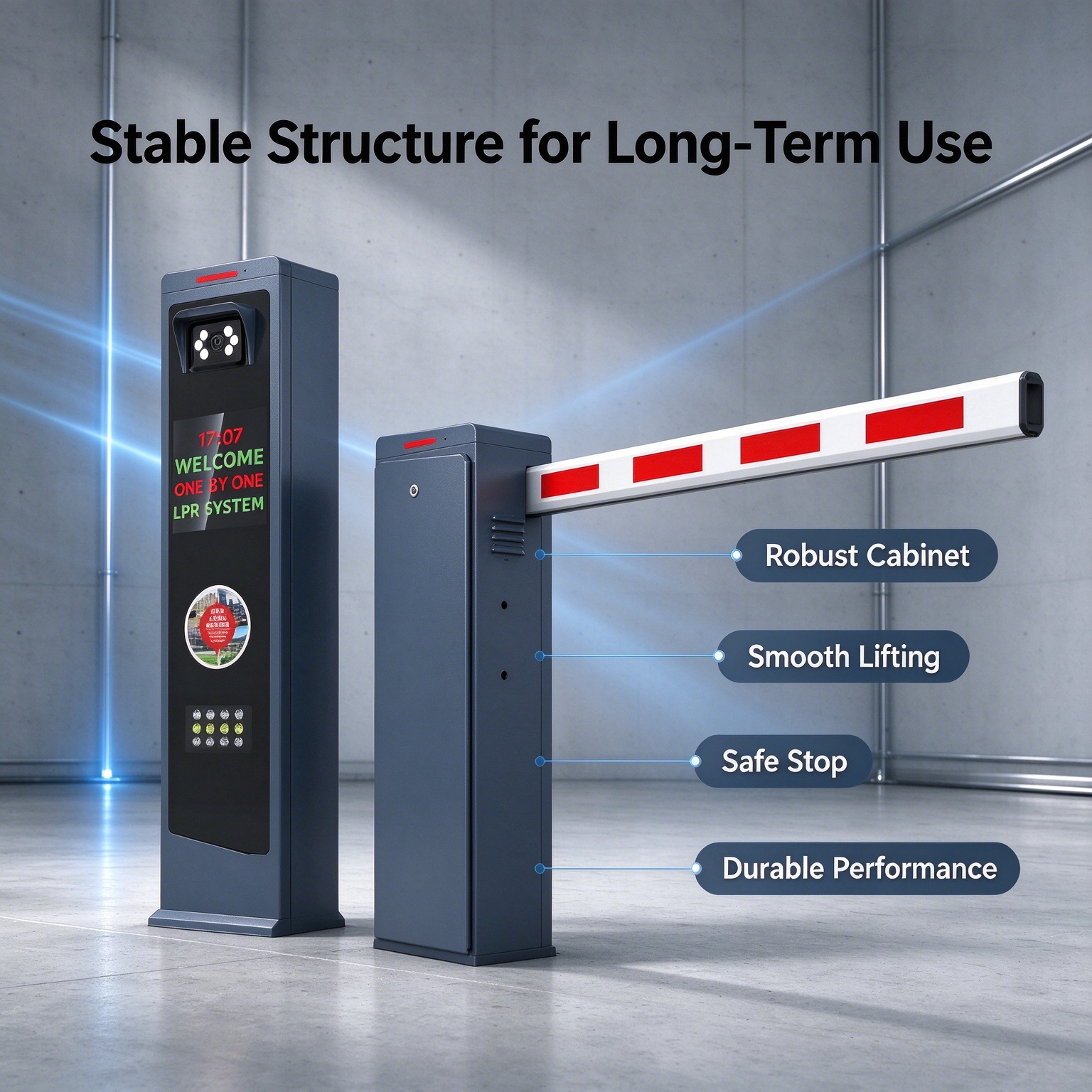
1. Measure the Lane Width and Determine the Barrier Arm Length
The first step is to measure the clear width of the lane that needs to be controlled. Measure the distance from the barrier cabinet position to the far end of the lane to be closed, then check the position of support posts, road dividers, pedestrian paths and any nearby structures. Do not choose the arm length based on a visual estimate alone.
BAROXON lists straight arm, 90°/180° folding arm and multi-rail fence arm configurations on selected models. The arm lengths stated on the product pages are in the range of 1–6 metres and can be customised by model. Confirm the actual limit for the chosen model, including whether the arm requires an additional support post.
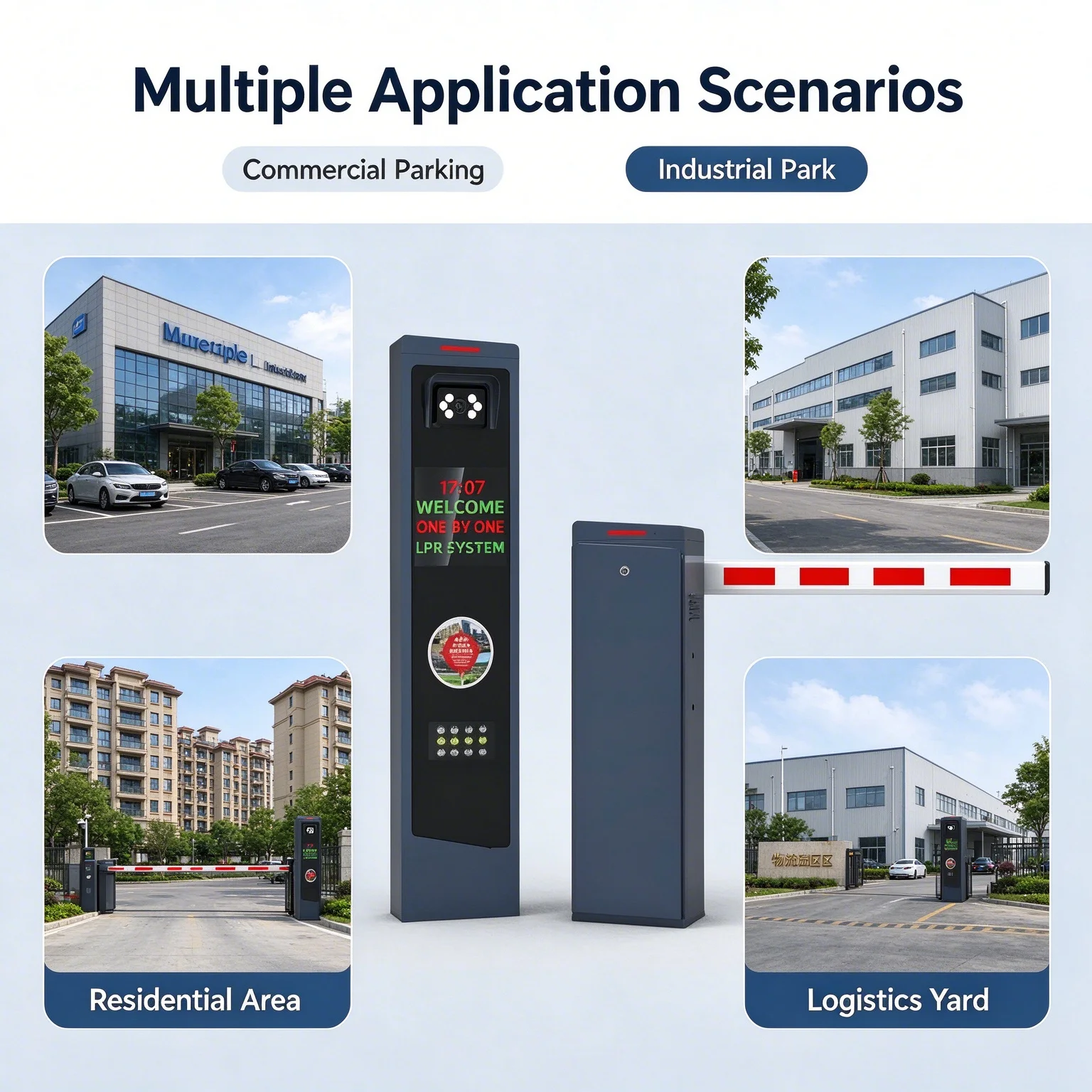
2. Choose the Arm Type for Your Installation Space
Straight arm for standard lanes
A straight arm is usually suitable for open entrances with sufficient vertical clearance. It can be considered for office parking, commercial areas, residential entrances and vehicle lanes at industrial premises. Make sure the arm length, cabinet position and swing space do not obstruct vehicles or pedestrians.
Folding arm for limited-height spaces
If the entrance is in an underground car park, a multi-storey building or an area with a low ceiling, consider a folding arm barrier. The folding section of the arm helps overcome height constraints, but the folding space and the safe distance from ceilings, lights, pipes and signboards must be checked before installation.
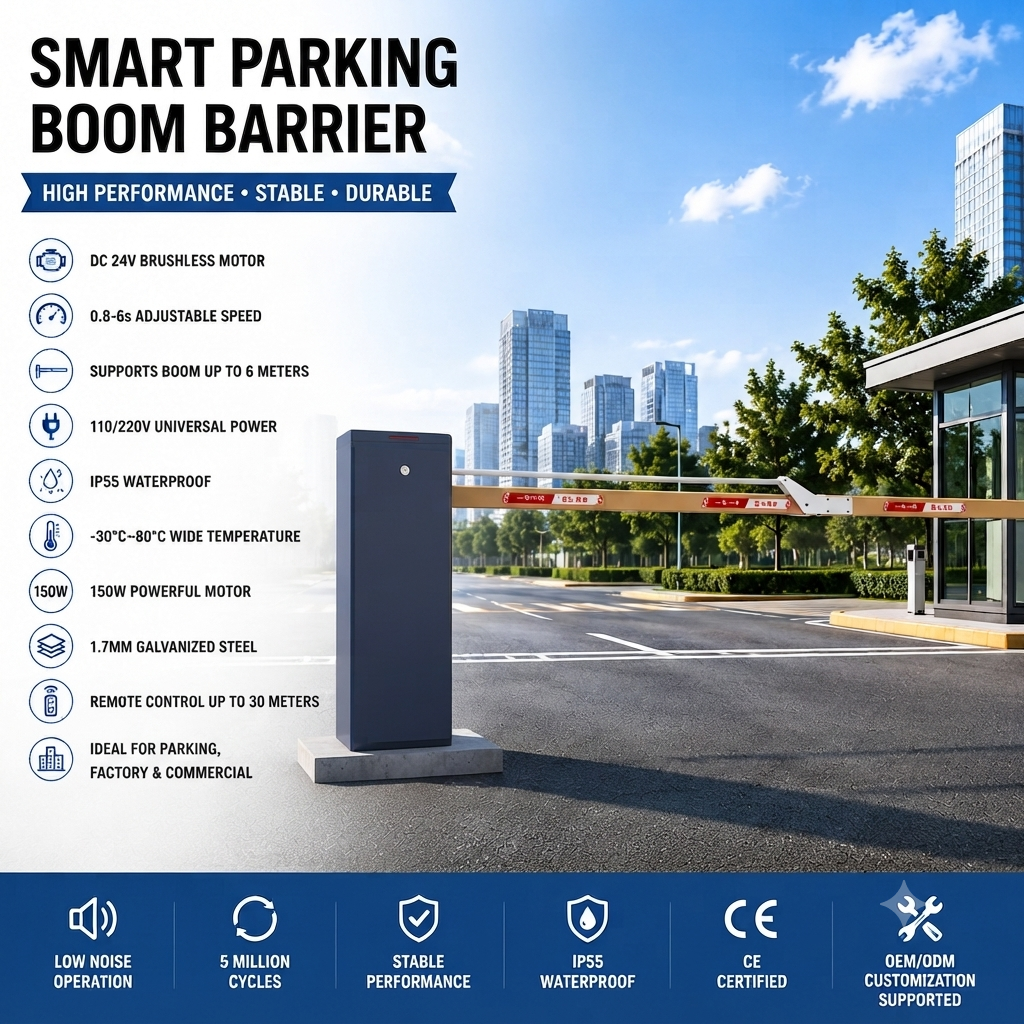
Fence arm for wider lane coverage
For some entrances, a two- or three-rail fence arm can be considered to cover a wider passage area. This option should be evaluated based on the vehicle types, the level of control required and the operating space. Refer to the installation drawing and model specification before deciding on the configuration.
3. Estimate Vehicle Volume and Daily Operating Frequency
The number of vehicles passing through the lane at peak hours is an important basis for choosing the motor and usage class. Record the estimated vehicles per hour, busy periods, number of lanes and expected open-close cycles per day. A condominium entrance with moderate flow has a different usage pattern from a shopping mall or factory entrance that receives vehicles continuously.
For busy locations, check the duty cycle, mechanical service life and operating rate stated for the specific model. BAROXON product pages display different configuration options, including models that list continuous operation or up to 5,000 cycles per day. These figures are not universal specifications for every barrier; confirm the actual model and configuration with the technical team before ordering.
4. Set a Practical Opening and Closing Speed
A higher speed can help reduce waiting time, but it is not the only measure of performance. Speed should be matched to the arm length and type, arm weight, traffic level, detection system and safety requirements. An overly aggressive speed without suitable sensor and control configuration can increase operating risk.
BAROXON lists several adjustable opening/closing speed options on selected models, including 0.6 seconds, 0.9 seconds and a range of 1.5–6 seconds. The actual value depends on the model, arm length and system settings. For lanes with heavy vehicles or pedestrians nearby, prioritise controlled operation and safety over maximum speed.
5. Choose a Suitable Motor and Power Supply
Check the motor type offered for the chosen model. The BAROXON range includes 24V DC brushless, AC and servo motor configurations on selected models. A brushless DC motor can be an option for projects that require automatic operation and smooth control, while the choice of AC or servo should be made based on the system design, usage frequency and site requirements.
Before installation, make sure the supply voltage, circuit protection, earthing, cable routing and backup power requirements have been assessed by a competent installer. If the site requires operation during a power failure, ask whether the chosen model and configuration support a backup battery or manual release method. Do not assume that all models have the same functions.
6. Match the Access Control Method to Site Users
The access method should suit the way the premises is used. For residential areas, RFID or access cards can make it easier for registered residents to enter. For offices and commercial premises, the system can be combined with staff cards, QR codes, apps or visitor management, depending on the equipment and software used.
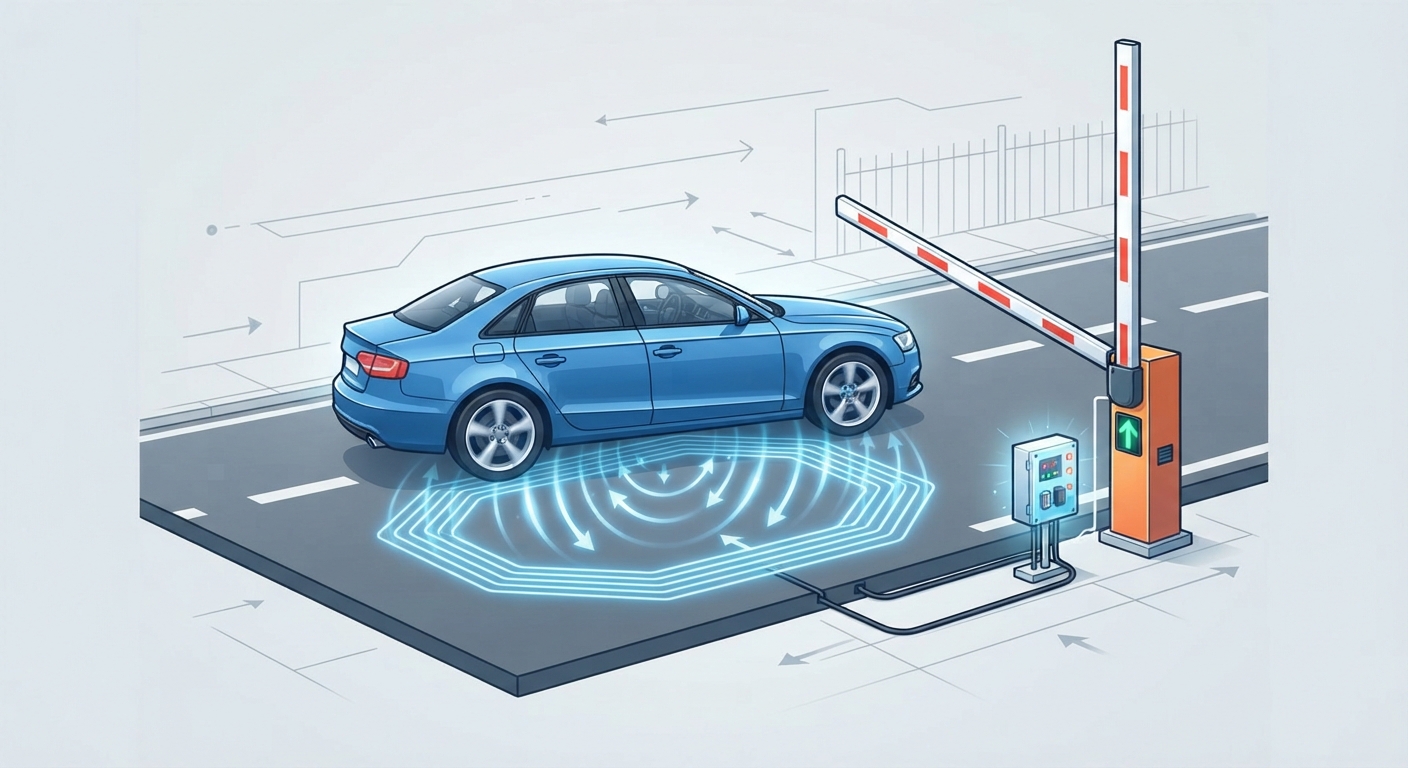
RFID and UHF
RFID is suitable when users have a registered card or tag. For long-range UHF systems, check the tag type, required reading distance, antenna position, vehicle speed and possible environmental interference. If you want to use existing cards or tags, confirm reader and protocol compatibility before purchase.
ANPR/LPR for number plate recognition
ANPR/LPR uses a camera and software to read a vehicle's registration number, then checks it against an allowed access list. This method can reduce the need for users to scan a card, but its performance depends on the camera angle, lighting, number plate condition, vehicle speed and software configuration. Make sure the operator has a procedure for handling number plates that cannot be read.
7. Do Not Ignore Sensors and Safety Features
A parking barrier is moving equipment that operates near vehicles and sometimes pedestrians. A safety assessment should therefore be made before choosing a model. Check whether the configuration supports inductive loop sensors, radar, photocell, obstacle detection, auto-reverse or related anti-pinch features.
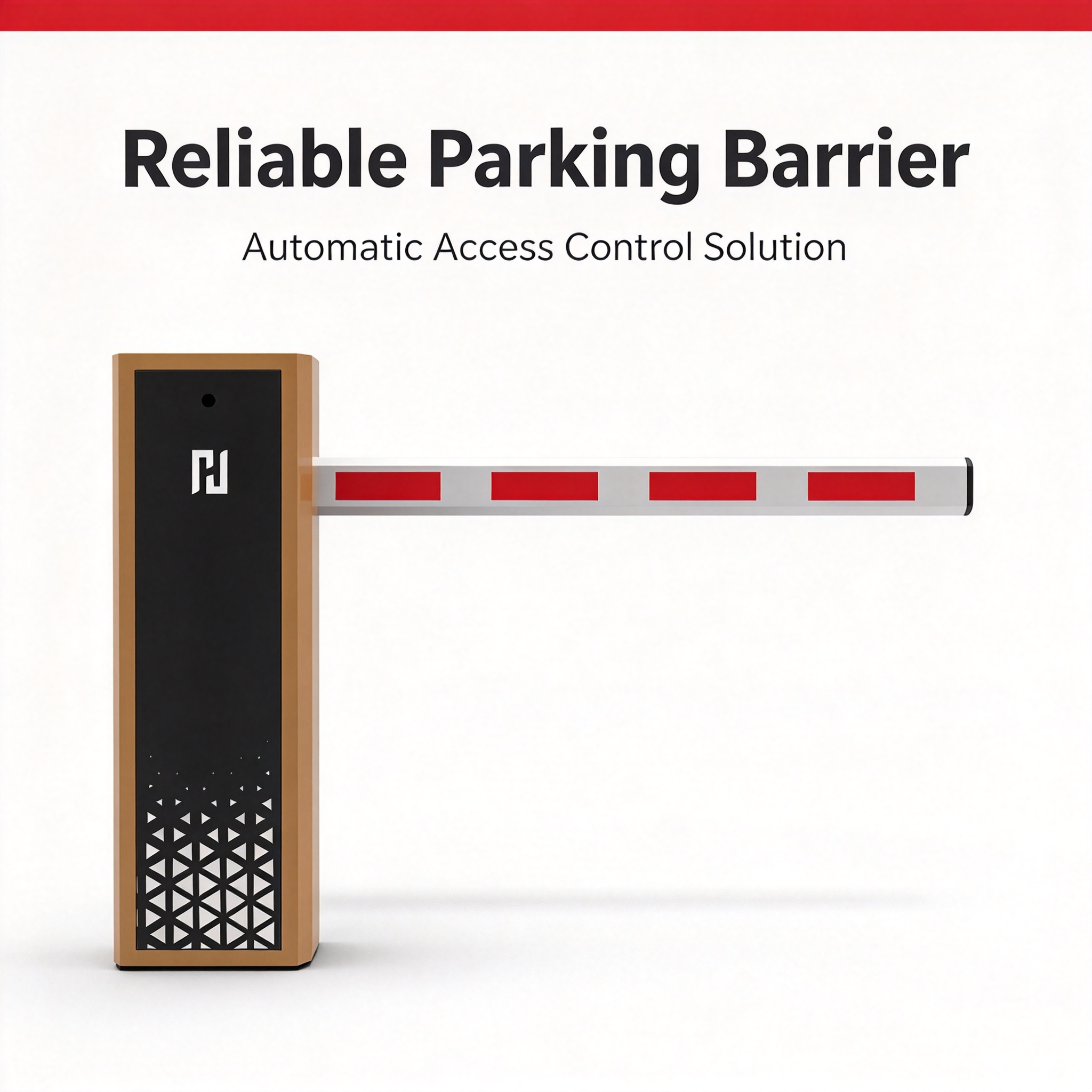
Sensors must be installed and tested according to the manufacturer's instructions and site conditions. Determine the detection zone position, vehicle movement direction, motorcycle and pedestrian paths, and emergency procedures. Do not rely on a single sensor without assessing the actual risk at the location.
8. Check Cabinet Durability for Malaysian Weather
Outdoor entrances are exposed to rain, heat, dust and humidity. Check the cabinet material, surface finish, drainage method and Ingress Protection (IP) rating of the model to be installed. BAROXON lists several protection options such as IP54, IP65 and IP66 on selected models; the actual protection level should be confirmed based on the supplied model number and configuration.
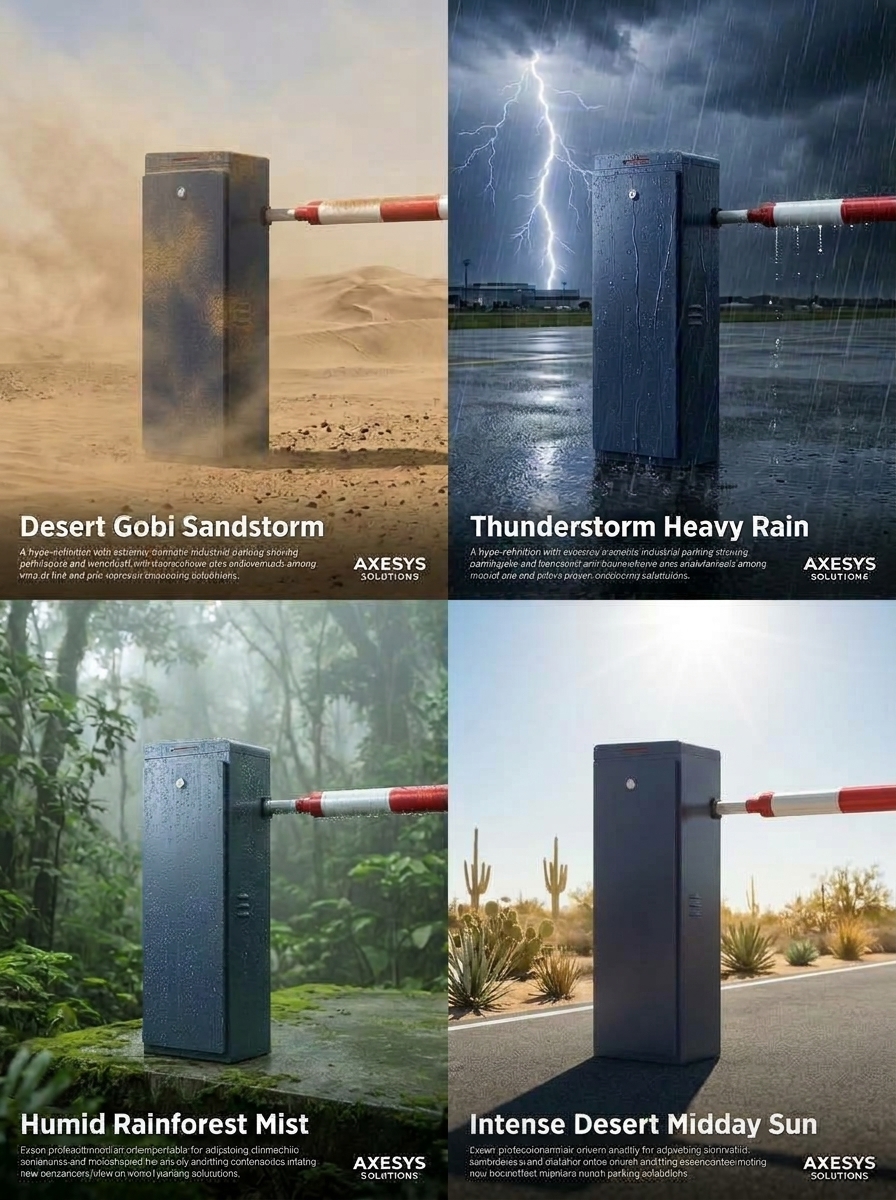
For installations near the coast, in dusty industrial areas or at locations frequently exposed to wind-driven rain, discuss the environmental conditions with the supplier. Cabinet protection alone does not replace correct electrical installation, periodic maintenance and protection of cables and connections.
9. Make Sure the System Can Integrate with Existing Equipment
If the premises already has a parking system, CCTV, building access control or visitor management software, check the integration method before buying a barrier. Confirm the input/output types, dry contact, RS485 communication where applicable, network requirements and whether third-party systems can safely send open/close commands.
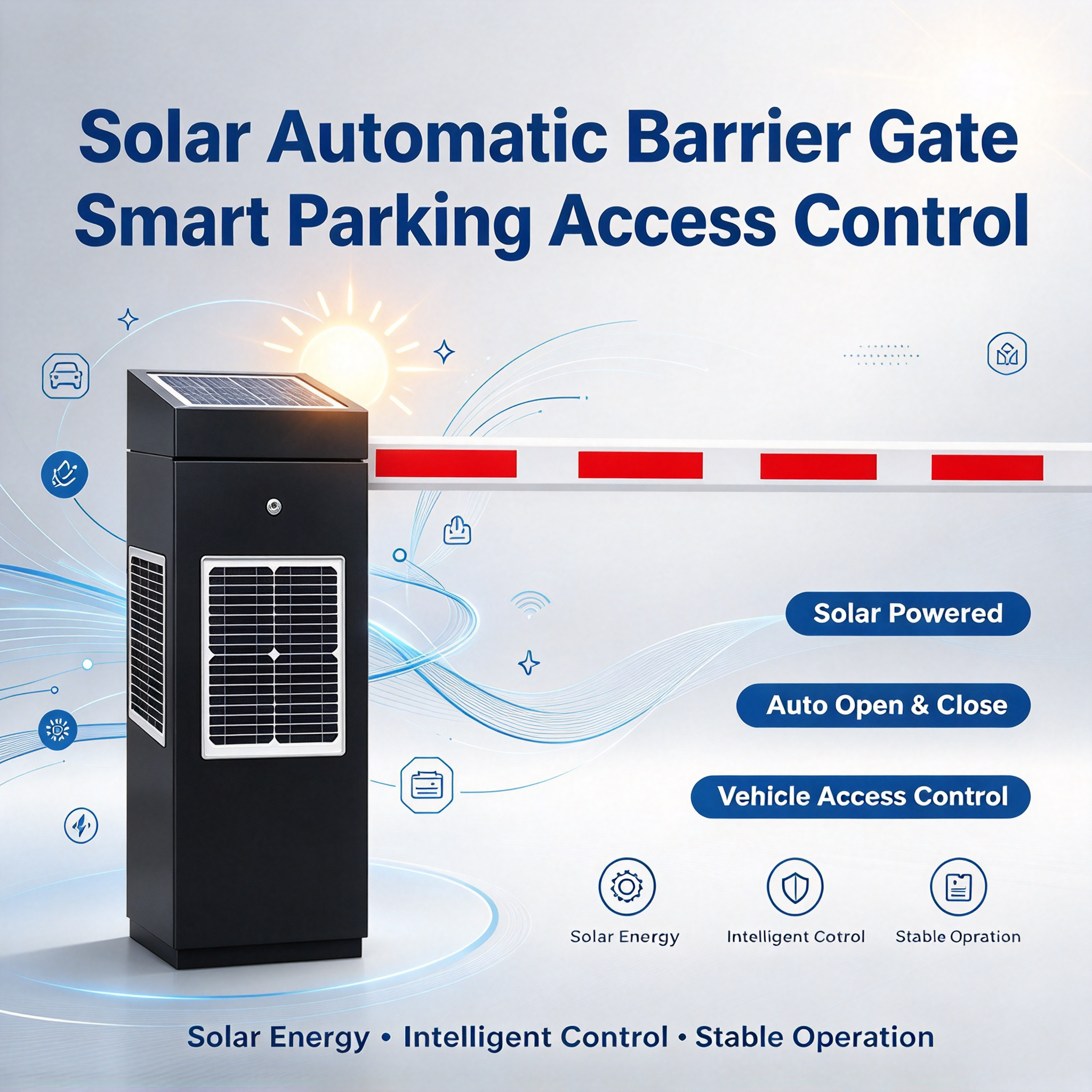
Before installation work begins, ask the supplier to confirm the wiring diagram and the list of required equipment. Make sure the RFID reader, LPR camera, sensors, barrier controller and software use compatible communication methods. Integration testing should be carried out before the system is handed over to the premises operator.
10. Evaluate Maintenance, Spare Parts and Technical Support
The initial purchase cost is not the only cost of ownership. Consider the ease of obtaining spare parts, access to installation manuals, technical support, warranty period, maintenance procedures and response time when a fault occurs. For locations with a single main entrance lane, also plan a temporary traffic control method while the barrier is being maintained.
Ask the supplier about periodic inspection of the arm, spring or balance mechanism, motor, mounting bolts, sensors, control board and electrical connections. The service schedule should be adapted to the number of operating cycles and environmental conditions, rather than set equally for all sites.
11. Selection Recommendations by Site Type
| Site type | What to prioritise | Configuration to evaluate |
|---|---|---|
| Condominium / gated community | Resident and visitor access, entry records | Boom barrier + RFID or ANPR/LPR |
| Office / commercial centre | Peak-hour traffic, card and parking integration | Automatic barrier + existing access system |
| Underground car park | Ceiling height and folding space | Folding arm barrier |
| Factory / logistics warehouse | Heavy vehicles, operating frequency, durability | Heavy-duty boom barrier + sensors |
| Public car park / transport hub | Traffic flow and transaction management | High-speed barrier + ANPR/LPR or ticketing system |
This table is an initial guide, not a substitute for a site survey. The final configuration should be confirmed after measuring the lane, assessing risk, checking the power supply and verifying system compatibility.
12. Why Evaluate BAROXON Solutions?
BAROXON's product range for the Malaysian market includes boom barriers and boom gates, high-speed barrier gates, automatic RFID boom barriers, ALPR/LPR systems, radar sensors, pedestrian access control, turnstiles, parking locks and barrier accessories. This product choice allows project owners to evaluate the barrier system together with the access verification method and the required detection equipment.
To choose the right model, prepare a site plan, lane width, vehicle types, estimated daily traffic, preferred access method and photos of the installation location. This information helps the technical team recommend a suitable arm length, motor type, operating speed, sensors and protection level. You can review BAROXON's barrier gate and parking access range and confirm all final specifications on the model data sheet before ordering.
Frequently Asked Questions
1. What is the most important factor when choosing an automatic parking barrier?
The main factors are lane width, arm length, vehicle volume, operating frequency, installation space, access method and safety features. Weather conditions and integration requirements should also be assessed for installations in Malaysia.
2. How do I determine the boom barrier arm length?
Measure the clear lane width and check the position of the cabinet, support posts, pedestrian paths and nearby structures. Then choose an arm length supported by the model and confirm any additional support requirements with the supplier.
3. Is a folding arm barrier suitable for underground car parks?
It can be an option when ceiling height or vertical space is limited. However, the folding space, position of lights, pipes, signboards and safety distances must be measured before installation.
4. Is RFID or ANPR/LPR better for a condominium?
RFID is suitable for residents who use a registered card or tag. ANPR/LPR identifies vehicle registration numbers through a camera. The best choice depends on the budget, registration process, recognition accuracy at the site and how management wants to handle visitors.
5. Are BAROXON parking barriers suitable for Malaysian weather?
BAROXON lists models with cabinet and protection options such as IP54, IP65 or IP66. Check the exact protection level for the chosen model and make sure the electrical installation, drainage and maintenance are carried out correctly.
6. How fast can an automatic parking barrier open?
The speed depends on the model, arm length and configuration. Some BAROXON product pages list adjustable speed options, but the actual value should be confirmed based on the model and installation conditions.
7. Can a boom barrier be connected to an existing parking system?
It can be considered if the barrier controller, readers, cameras and software have compatible interfaces and protocols. Ask the supplier to review the wiring diagram and test the integration before the system is used.
8. What information should I prepare to get a model recommendation?
Prepare the lane width, site photos and plan, vehicle types, estimated traffic per hour or day, operating frequency, access method, environmental conditions and existing systems. This information helps the supplier make a more accurate recommendation.
Conclusion
The right automatic parking barrier should be chosen based on site conditions and traffic patterns, not on price or speed alone. Measure the lane correctly, determine the arm type, estimate the operating cycles, choose a suitable motor and access method, then check the safety sensors, weather resistance, integration and after-sales support.
BAROXON offers a range of boom barriers, high-speed barriers, RFID and ALPR/LPR for various access control applications. Contact the BAROXON team with your site information to discuss a suitable configuration for your project in Malaysia.
Latest News
Professional Barrier Gate & Parking Solutions | Baroxon®
Advanced Security Access Control and Intelligent Parking Solutions.
Company Strength
Adequate Inventory
Fast Shipping
Our Products
CONTACT US
Address: No.2 Wanshou Rd, Int'l Innovation Ind. Park, Jinan, Shandong


© COPYRIGHT 2025 Professional Barrier Gate & Parking Solutions | Baroxon®



Contact Us
Professional Manufacturer of Vehicle Barriers & License Plate Recognition Cameras,Smart Parking Access Control Solutions for Global Clients,Reliable Barrier Gates + LPR Systems, Customized to Your Project,From residential communities, commercial shopping malls, industrial parks to highway toll stations, our matched barrier & LPR sets can realize automatic license plate identification, automatic gate lifting, real-time access records, automatic charging and remote management.