Baroxon® | Leading Boom Barrier Manufacturer

RFID vs ANPR Parking Systems: Which Suits Your Site?
Release time:
2026-10-30
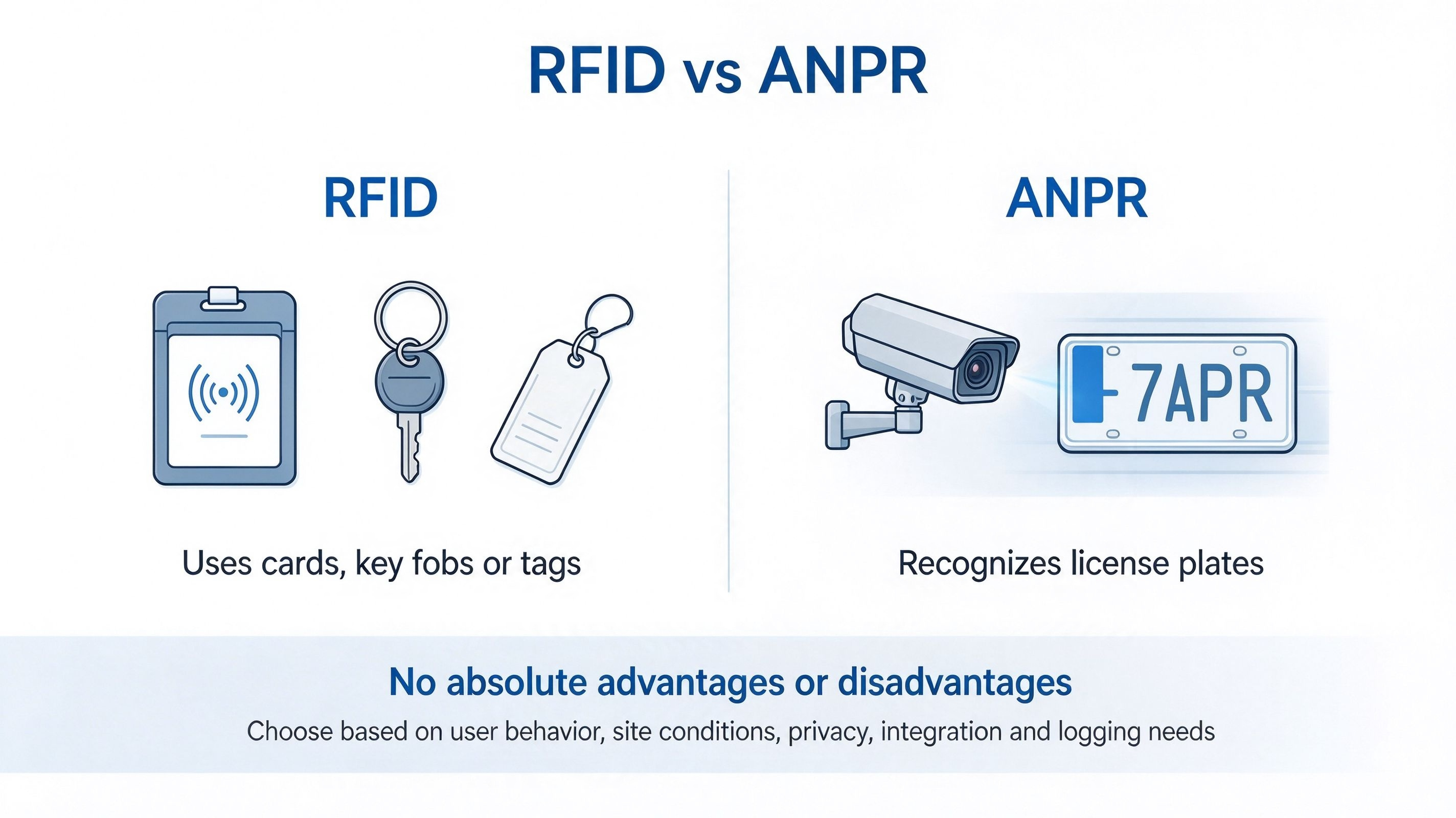
RFID and ANPR parking systems can both be used to control vehicles entering and leaving through an automatic boom barrier. However, the two identify a vehicle in different ways. RFID reads a tag or electronic card carried by the user, while ANPR uses a camera and image recognition software to read the vehicle registration number. This difference affects the driver experience, the registration process, the operating cost, the level of automation and the security design at the entrance.
For parking lot management in Malaysia, the right choice depends on the type of premises, the user group, the traffic volume, the verification method and the existing parking system. Some locations are better suited to RFID, some benefit from ANPR, while a site that needs layered verification can combine both with a boom barrier, vehicle sensors and parking management software.
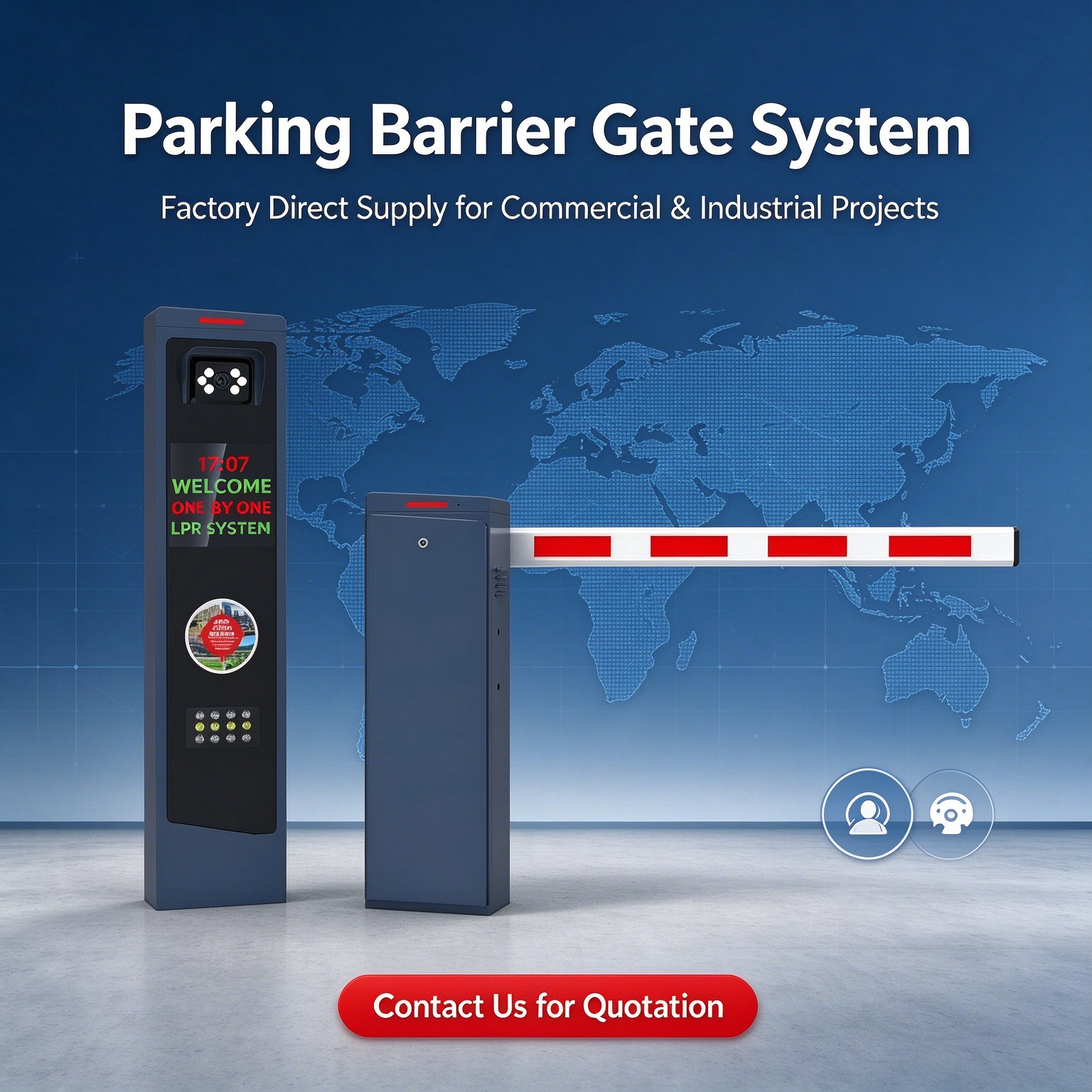
1. What Is an RFID Parking System?
RFID stands for Radio Frequency Identification. The system uses radio waves to read information from an RFID tag or card without physical contact. In a parking application, the tag can be fixed to the vehicle windscreen, mounted on the vehicle according to the installation instructions, or issued as an access card to a registered user. When the vehicle approaches a lane fitted with an RFID reader, the reader detects the tag ID and sends the information to the access controller or the parking software for verification.
If the tag ID is still valid and has access permission, the system can send a command to the boom barrier to open. A long-range UHF reader is commonly used when the operator wants to detect a vehicle tag from a greater distance than a standard proximity card allows. The actual read distance depends on the frequency, the reader power, the tag type, the antenna position, the glass material, radio interference and the lane layout. The read distance figures therefore have to be tested on site and cannot be assumed to be the same for every installation.
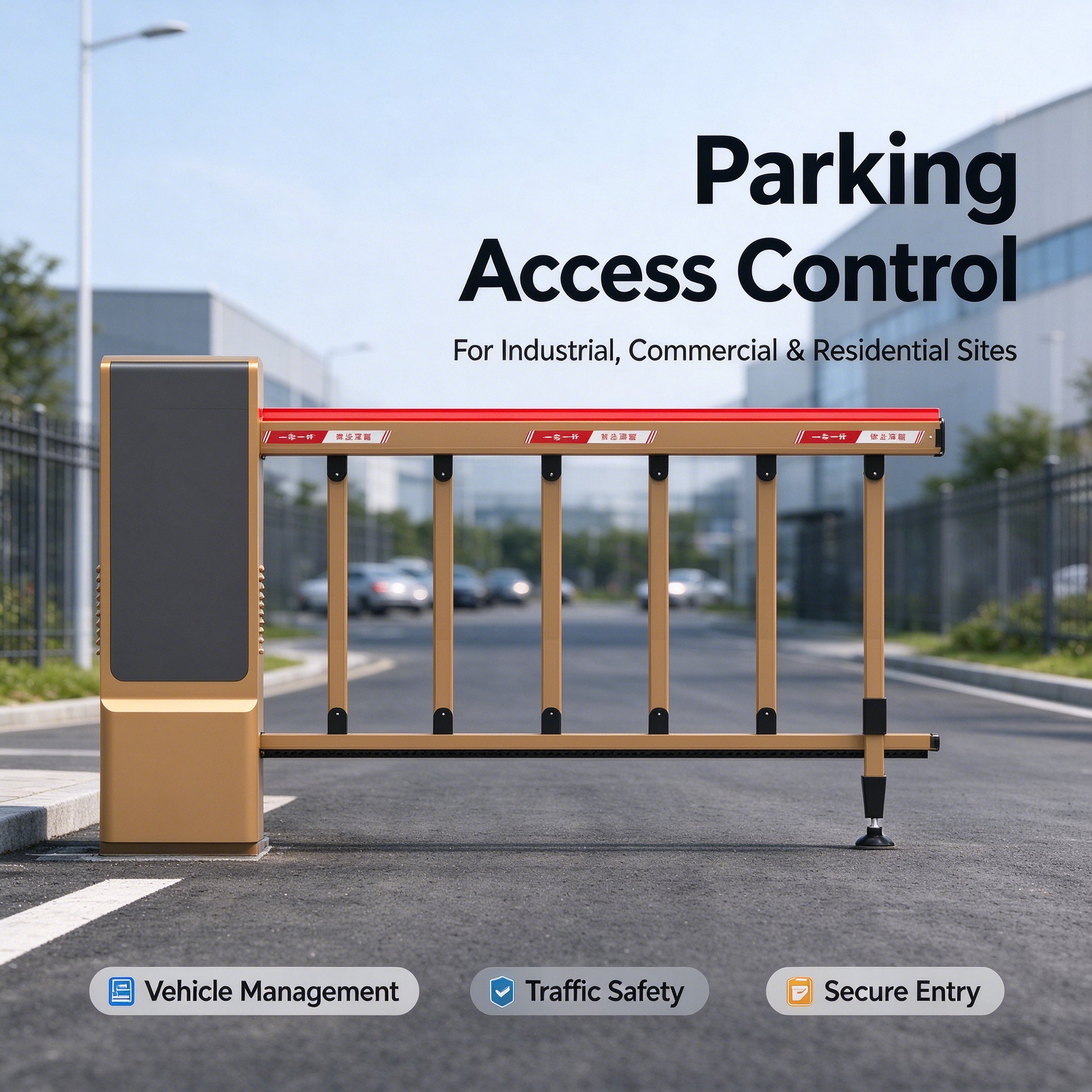
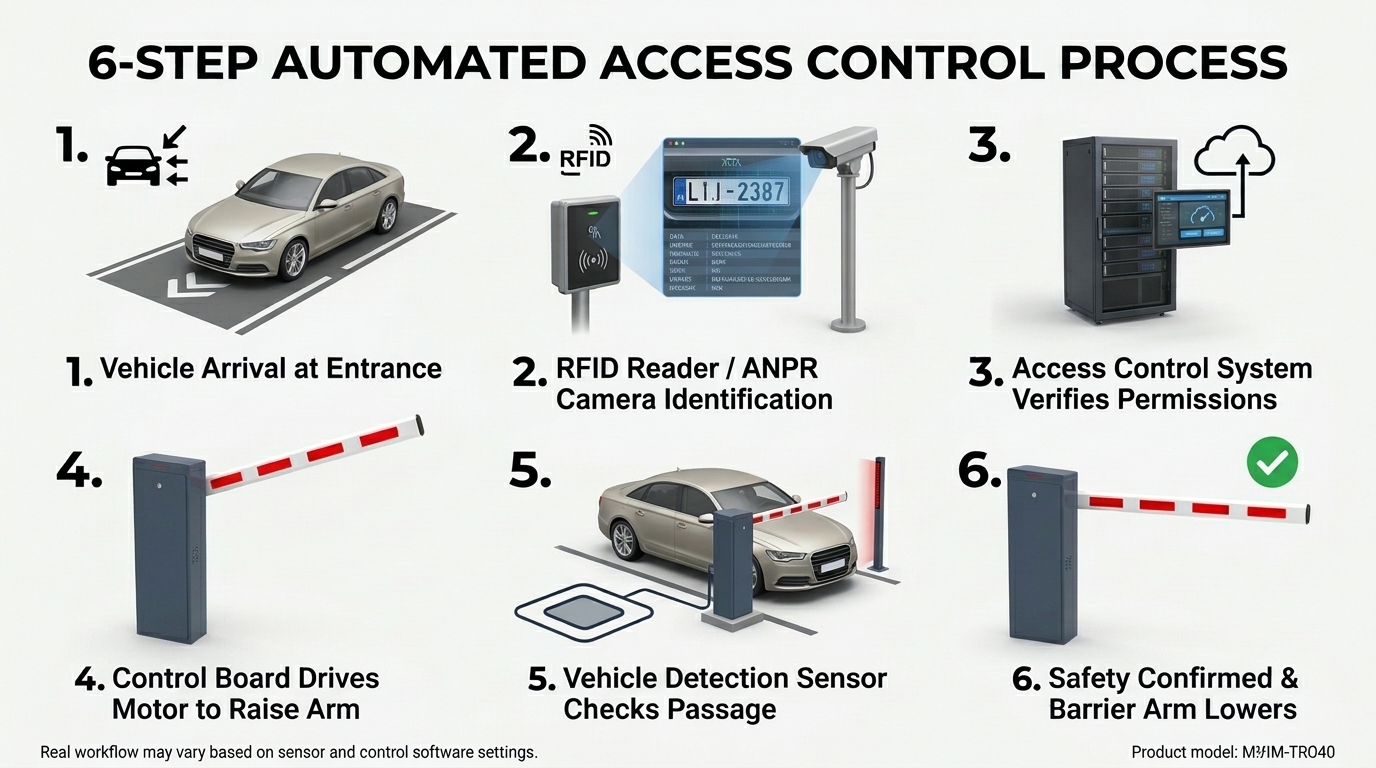
How an RFID Access Flow Works
- A registered user receives an RFID tag or access card linked to an account or vehicle record.
- The vehicle approaches the entry lane that has an RFID reader and antenna.
- The reader detects the tag ID and sends the data to the controller or system server.
- The system checks the tag status, validity period, user group and lane permission.
- If access is approved, the controller activates the boom barrier; the safety sensor helps ensure the vehicle passes safely.
- A transaction record such as the tag ID, time and lane can be stored according to the capability of the software in use.
2. What Is an ANPR Parking System?
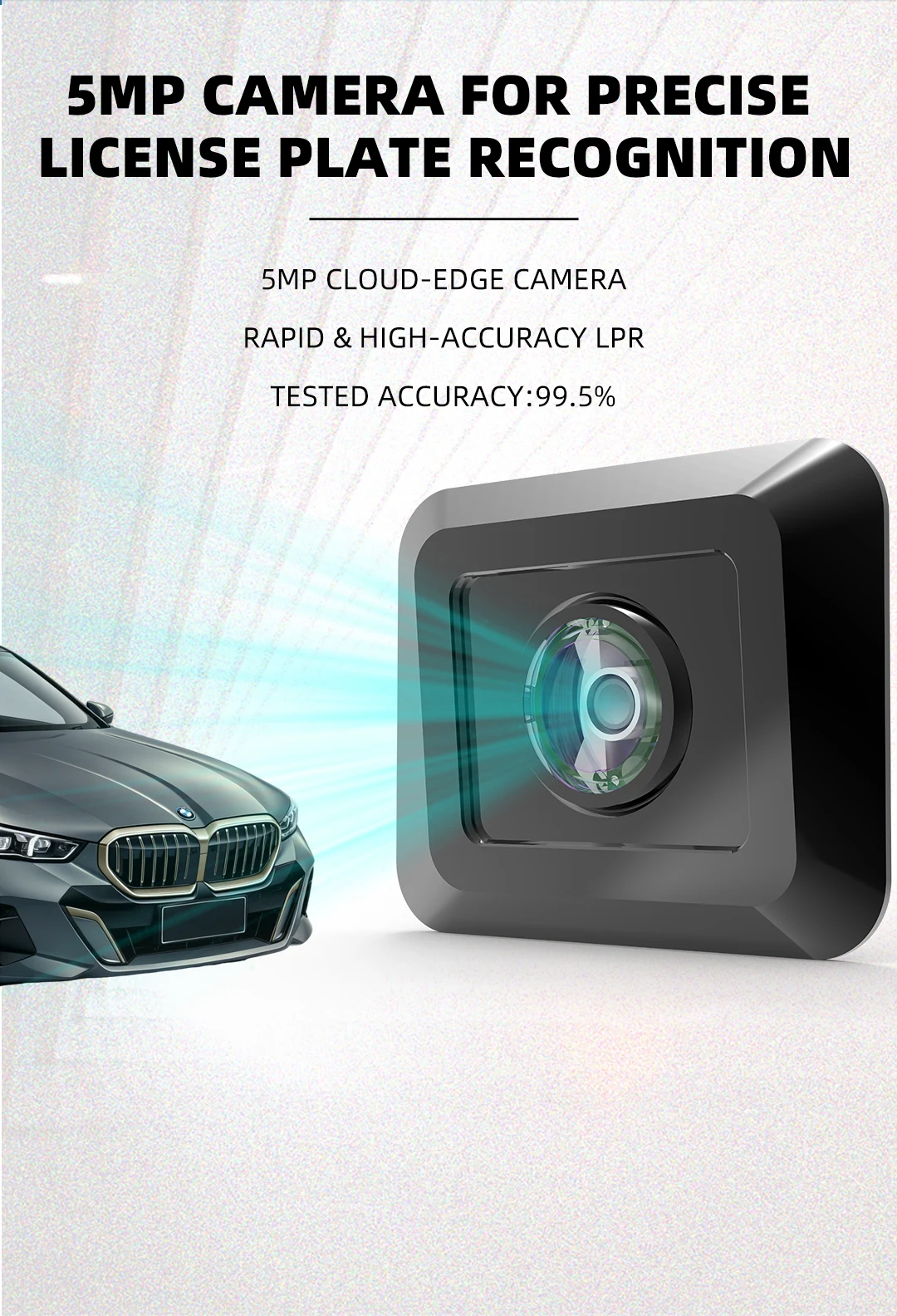
ANPR means Automatic Number Plate Recognition, while LPR means License Plate Recognition. Both terms refer to a technology that uses a camera to capture an image of the registration number and software to convert that image into text that can be processed. In a parking system, the ANPR/LPR camera captures an image of the vehicle at the entrance, recognises the plate number and compares it with the list of registered vehicles, a booking record, a blocklist or the parking transaction.
If the registration number matches a record with permission, the system can send a command to the boom barrier. For ticketless parking, the plate number can be used as the vehicle identifier to record the entry time and link it to the exit or payment transaction. However, recognition performance is affected by the camera angle, distance, lighting, headlight reflection, vehicle speed, plate condition, weather and registration number format. The system has to be designed and adjusted for the actual lane.
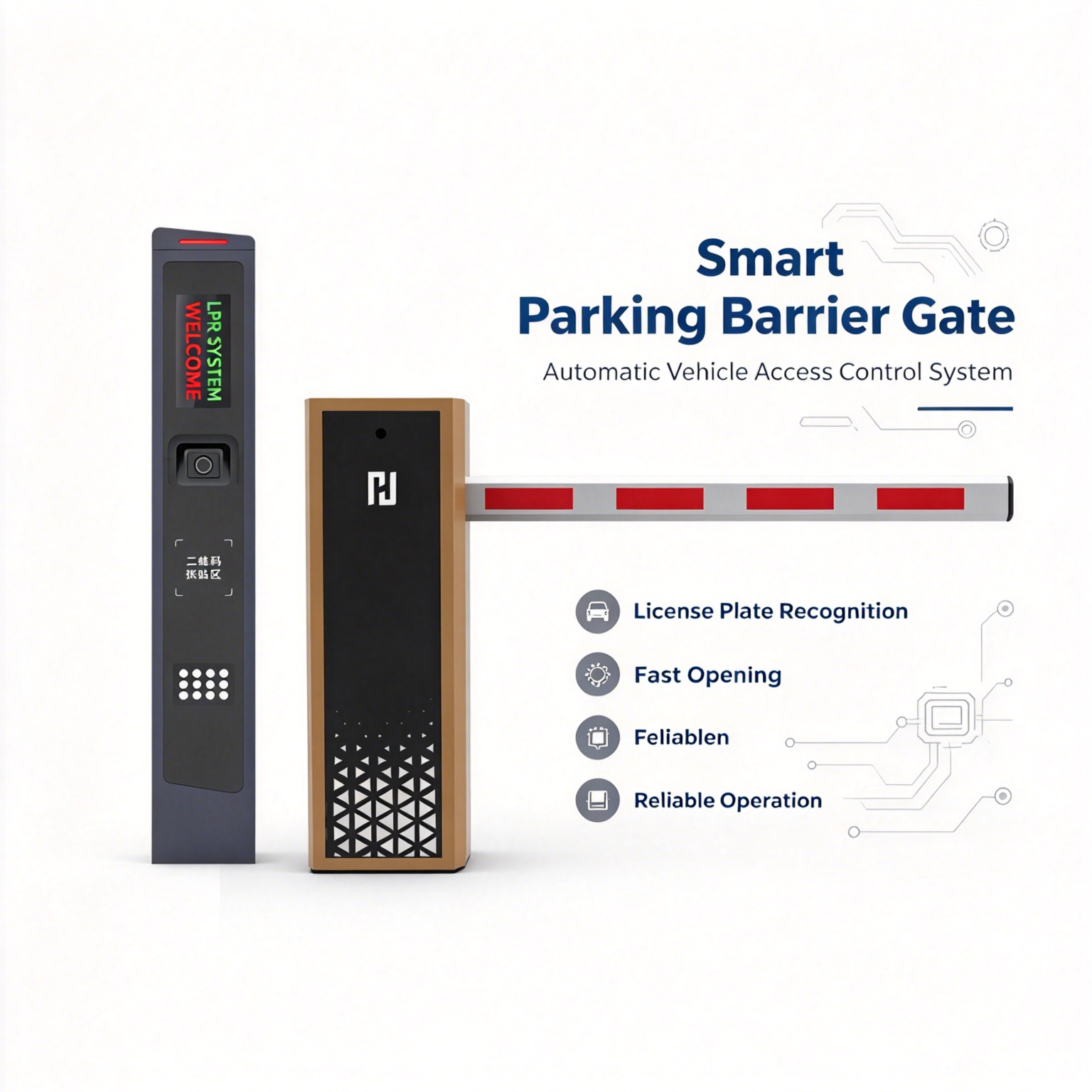
How an ANPR Access Flow Works
- The camera captures an image of the front or rear of the vehicle in the recognition zone.
- The software locates the plate area and reads the registration number characters.
- The system checks the plate number against the database or the access rules.
- If the plate number matches an active permission, the system sends a signal to the barrier controller.
- The boom barrier opens once the safety and verification conditions are met.
- The system can store the time, plate number, related images and access decision, subject to the configuration and the data retention policy.
3. The Main Differences Between RFID and ANPR
The most fundamental difference is the type of identifier used. RFID verifies a tag or card issued to the user, while ANPR verifies the registration number visible on the vehicle. RFID requires a compatible, registered tag or card. ANPR requires a clearly readable plate number together with a correctly configured camera and software.
| Criteria | RFID Parking System | ANPR/LPR Parking System |
|---|---|---|
| Identification method | Reads the tag or card ID by radio wave | Reads the registration number characters by camera |
| User requirement | A registered RFID tag or card | The plate number must be registered or permitted in the system |
| Main hardware | RFID reader, antenna, tag or card, controller and barrier | ANPR/LPR camera, lighting if required, software, controller and barrier |
| Reading factors | Distance, tag orientation, antenna, radio interference and tag type | Camera angle, lighting, reflection, speed and plate condition |
| Access experience | Can be very smooth with a well-tuned UHF setup | Can reduce the need for a card or tag when the plate is recognized accurately |
| User management | Manages tag IDs, cards, account holders and access status | Manages plate numbers, vehicles, owners or accounts and permissions |
| Visual record | Usually needs an additional camera if a vehicle image is required | Plate or vehicle images can be recorded according to the configuration |
| Typical use | Regular residents, staff, fleets and repeat users | Public parking, visitors, customers, ticketless parking and plate-based access |
4. Access Speed and Driver Experience
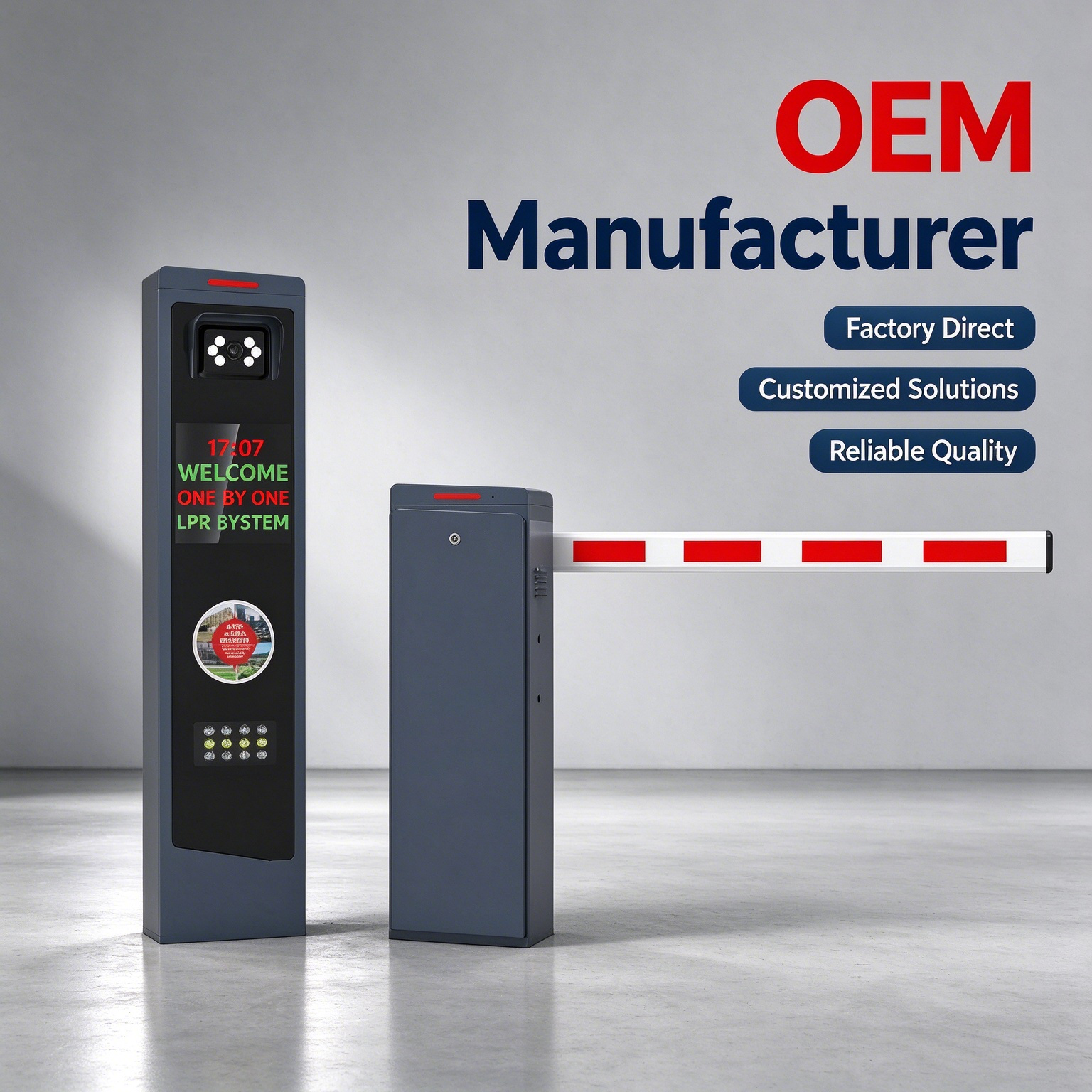
A UHF RFID system can provide an entry experience that does not require the driver to open the window or scan a card manually, provided the tag is mounted in the correct position and the reader is tuned for the lane. It is particularly useful for apartment complex residents, office staff or fleet vehicles that use the same entrance frequently. However, a damaged tag, an incorrect mounting position, a tag shielded by certain window films or a tag that is not registered can cause a read failure.
ANPR can also offer touchless access because the camera reads the plate number automatically. The advantage is that the user does not necessarily need to carry an extra tag. However, the vehicle may need to slow down or pause briefly so that the camera can obtain a clear image. A plate that is dirty, damaged, obstructed, non-standard or affected by strong reflection can reduce recognition. The lane design, camera position, lighting and barrier operating speed have to be coordinated.
5. Upfront Cost and Operating Cost
The cost of an RFID system usually includes the reader, antenna, tags or cards, access controller, boom barrier and software integration. Recurring cost can arise when a tag is lost, damaged or needs replacement, and when the operator has to manage tag registration and deactivation. For a site with many regular users, the tag issuing process and record management should be included in the operating budget.
An ANPR system requires a suitable camera, recognition software, image processing or a server, a plate number database, the network and integration with the barrier and the payment system where required. The cost can increase if the site needs additional cameras, special lighting, a local server, software licences or custom integration. A fair cost comparison should take into account the number of lanes, the vehicle volume, the service life, maintenance, support, data storage and upgrade cost, not just the price of the camera or reader.
6. Security, Access Control and Data Privacy
RFID allows access management based on tag ID, account status, validity period and user group. If a tag is lost or a user's access is terminated, the administrator can deactivate that ID in the system. However, a tag that is shared or moved to another vehicle can affect the accuracy of the record. For a high-risk location, consider additional verification such as the plate number, a surveillance camera or a manual check.
ANPR links access to the vehicle registration number and can help produce a visual record of each event, depending on the camera and the recording configuration. However, a plate number is not absolute proof of the driver's identity. A cloned plate, a false plate, a reading error or a change of vehicle can lead to an incorrect decision. The system needs a manual review process, a blocklist and a procedure for cases where recognition is uncertain.
Both technologies process data that can be linked to a user or to vehicle movement. The operator has to define the purpose of data collection, staff access rights, the retention period, the security controls, the backup and the deletion procedure. For a project in Malaysia, check the applicable data protection requirements and the organisation's own policy; do not store images or journey records for longer than necessary without a proper basis.
7. Integrating RFID or ANPR with the Boom Barrier
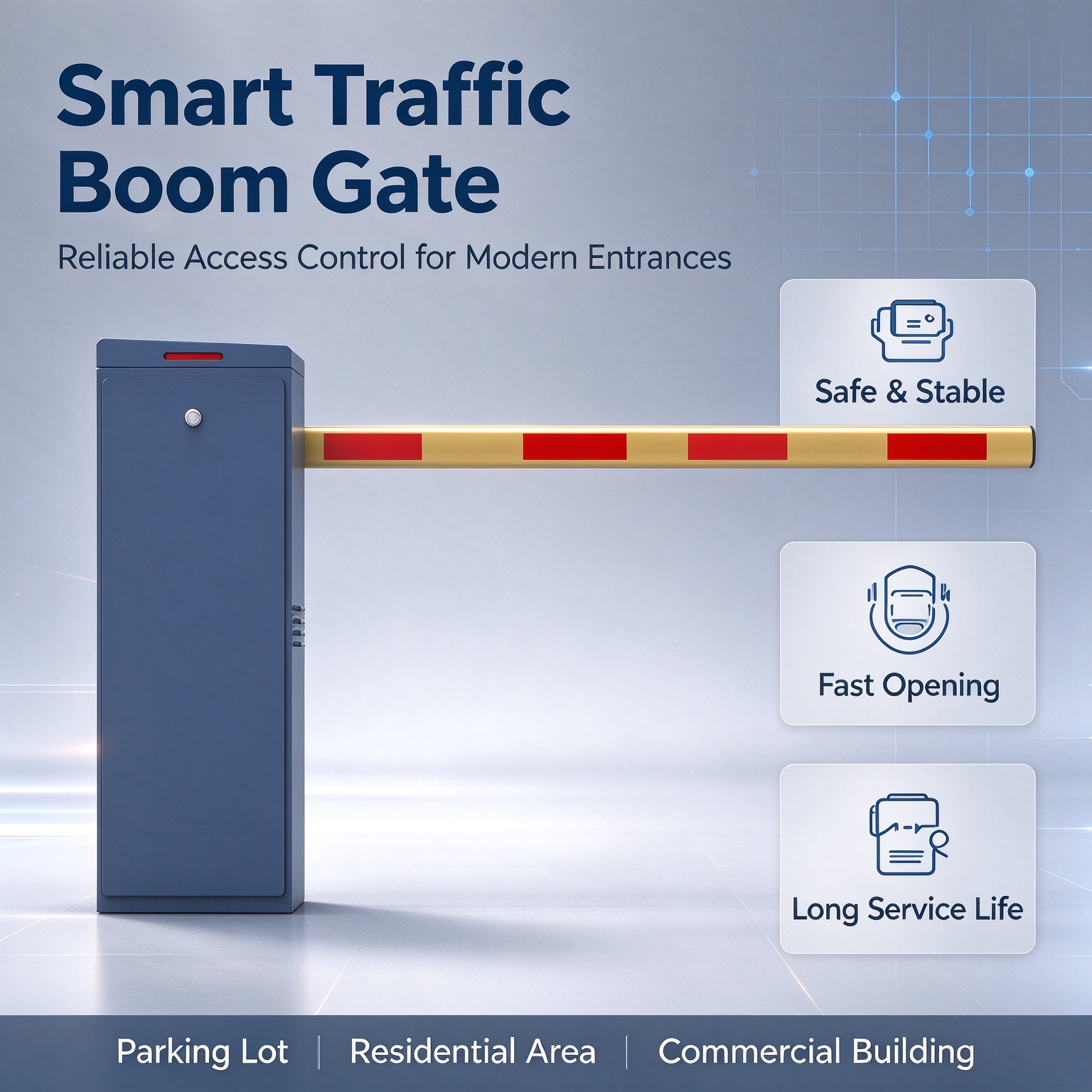
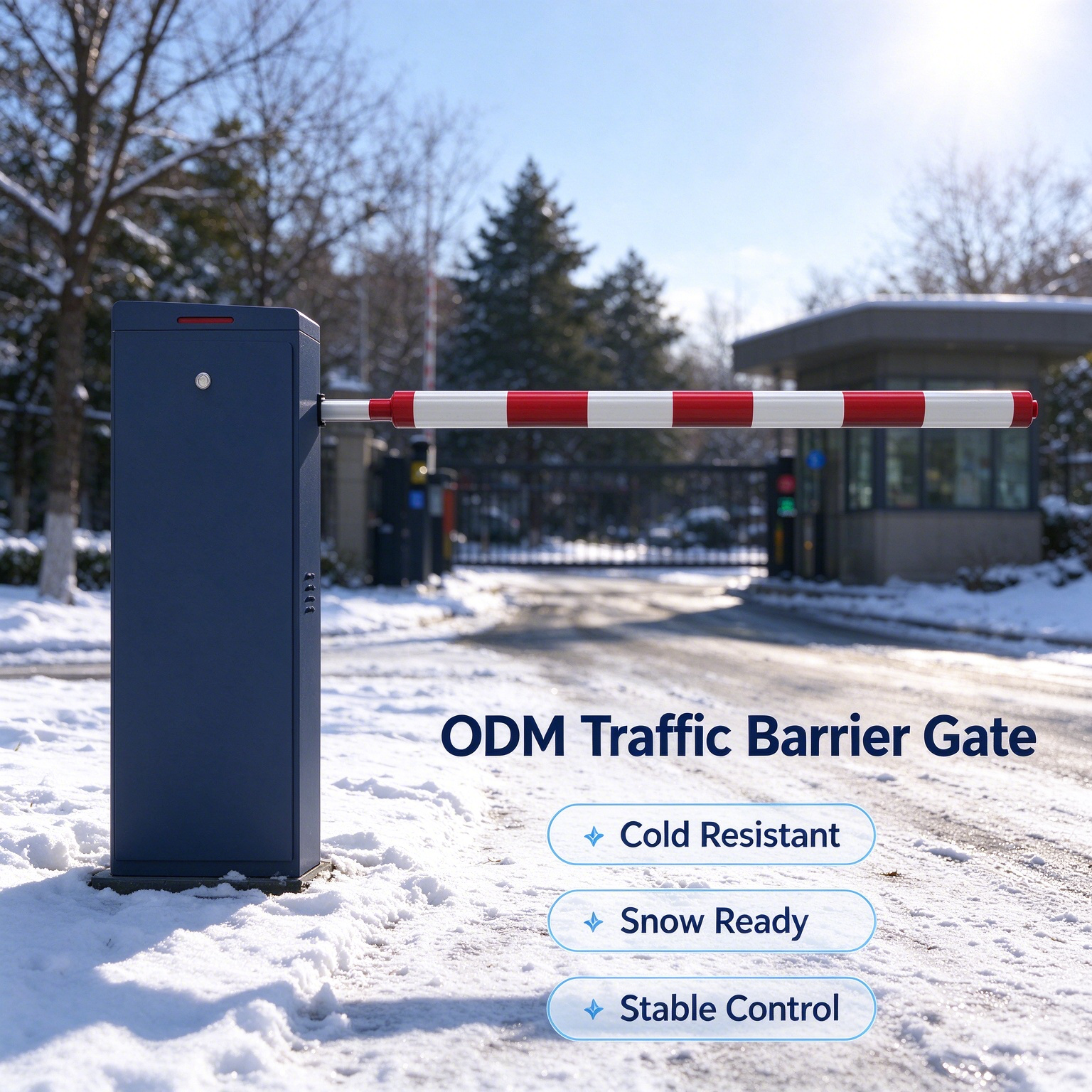
RFID and ANPR are not a replacement for the boom barrier. Both are identification or verification methods that can send a command to the barrier controller. The boom barrier provides the physical obstruction, while the reader or camera decides whether the vehicle can be granted access. A complete system also has to consider the vehicle loop detector, radar, photocell, signal light, manual button and emergency release.
Before choosing a system, ask the supplier to explain the connection diagram between the reader or camera, the barrier controller and the parking management software. Confirm the output types and communication protocols available on the actual model, such as dry contact, TCP/IP or RS485 where supported. Make sure the system can handle situations such as a failed read, a network disconnection, a power interruption, a vehicle stopping under the arm and a manual open command. The acceptance test should be carried out using real vehicles and the actual lighting conditions.
8. Can RFID and ANPR Be Used Together?
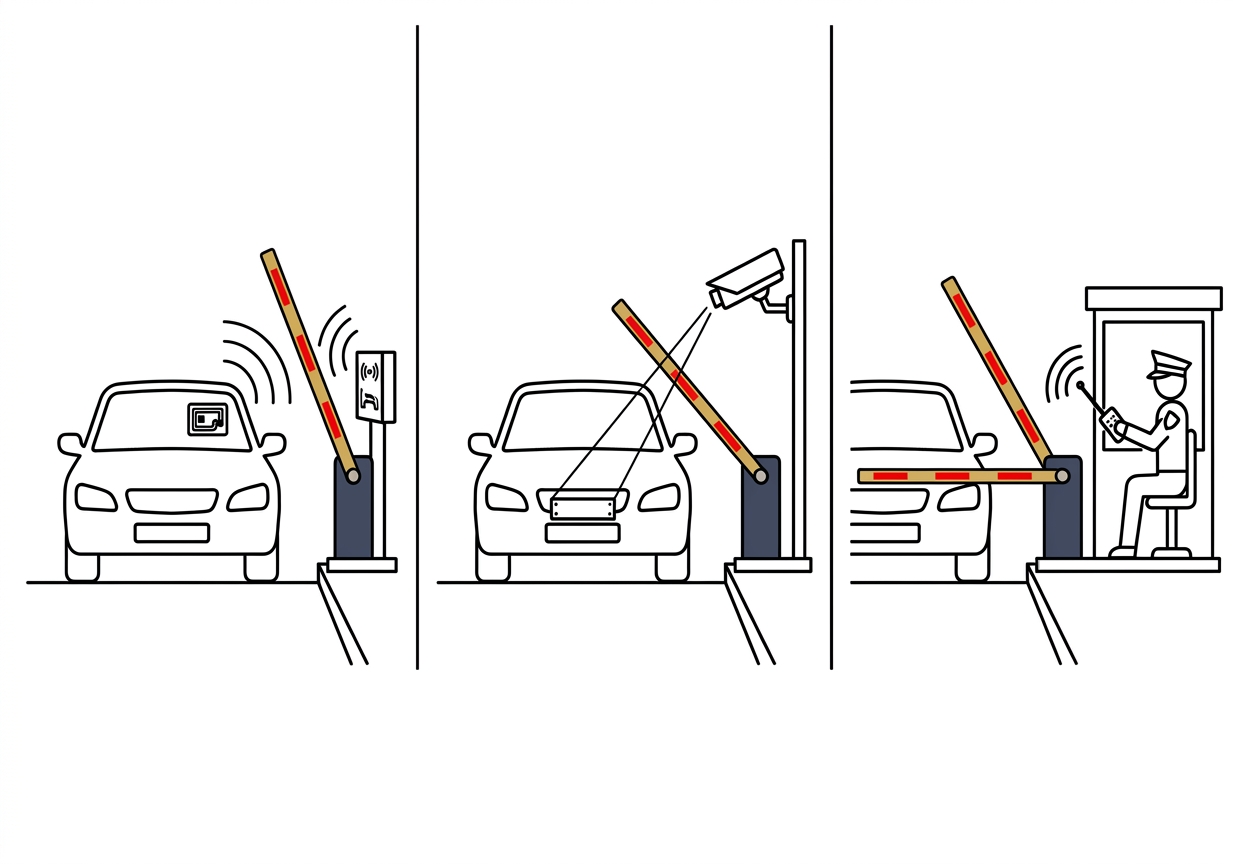
Yes. For some locations, a combination of RFID and ANPR can provide an additional verification layer. For example, a UHF tag identifies the resident account, while an ANPR camera checks whether the plate number matches the vehicle registered to that account. If both pieces of information match, the system can approve access. If they do not match, the system can raise an alert or ask the guard to make a check.
The combined approach is useful when management wants to reduce tag sharing, improve traceability or provide an alternative method when one identification method fails. However, this combination adds hardware, integration and maintenance work. The operator has to define the decision logic clearly: is a match on both identifiers mandatory, is either method sufficient, and what is the procedure for visitors or temporary vehicles? The answer should be determined by the risk level and the operation of the site.
9. Which System Suits Which Type of Premises?
Condominiums and gated communities
UHF RFID is often suitable for regular residents who use the same lane every day. Management can issue a tag to an approved vehicle and update the access when a tenant moves out or the vehicle changes. ANPR can be added to verify the plate number, manage visitors or record vehicles that do not have a tag. A combination of both can be considered for a main entrance that needs tighter control.
Offices and commercial buildings
RFID suits permanent staff, while ANPR can make access easier for customers, registered visitors or parking users managed by booking. If the building already has a staff card system, check whether the RFID reader can share the database or needs a separate controller. For paid parking, ANPR can help match the entry record with the payment and the exit record if the software supports that flow.
Shopping centers and public parking lots
ANPR can be an option for a ticketless parking system because the plate number can be used to link the parking session with the payment. However, the operator has to provide a support process for plates that cannot be read, vehicles without a standard plate, motorcycles if they are in scope, and users who need assistance. RFID can be used for corporate customers, shop tenants, staff or season parking users.
Factories, warehouses and logistics areas
UHF RFID can help identify registered fleet or supplier vehicles. ANPR can record truck plate numbers and support a check against the delivery schedule. At an entrance that operates around the clock, a radar sensor or vehicle loop can be combined with the barrier to detect vehicle presence and direction of movement. The selection should take into account rain, dust, headlight glare and the dimensions of heavy vehicles.
10. What to Check Before Choosing a System
Before making a decision, assess the actual operation rather than choosing on the basis of technology terms alone. The following checklist can be used by building management, a contractor or a system integrator:
- User profile: Are most users residents, staff, visitors, daily customers or truck drivers?
- Traffic volume: How many vehicles pass through each lane at peak time?
- Identification type: Is it more practical to issue an RFID tag, register a plate number or use both?
- Lane conditions: Is there enough space for the reader, antenna, camera, lighting and waiting area?
- Environmental conditions: Do rain, headlight glare, dust or reflection affect the reading?
- Integration: Does the system need to connect to the parking software, payment, resident database or security system?
- Safety: Which sensors are needed to prevent the barrier coming down while a vehicle is still under the arm?
- Data management: Who can view the records, how long is the data kept, and how is administrator access controlled?
- Support plan: Who manages user registration, tag replacement, camera adjustment, spare parts and maintenance?
- Site testing: Can the supplier demonstrate the system with real vehicles and real conditions before handover?
11. Recommendation: RFID, ANPR or a Combination?
Choose RFID when most users are regular users, the vehicles are already registered and the organisation wants a consistent verification method through a tag or card. For a resident or staff lane, UHF RFID can be a practical choice if the read distance and antenna position can be tested properly.
Choose ANPR when the operator wants to reduce dependence on physical tags, manage visitors or customers who change frequently, or build a ticketless parking flow. Make sure the camera quality, lighting, database and manual review procedure suit the site conditions.
Choose a combination of RFID and ANPR when the risk of tag sharing, the audit requirement or the need for layered control matters more than the additional hardware cost. For most projects, the best decision comes from a pilot test on one lane, measuring the successful read rate, the waiting time, the verification errors and the need for guard assistance before the system is extended to all lanes.
Conclusion
RFID and ANPR offer two different approaches to vehicle access control. RFID identifies an electronic tag or card, while ANPR reads the registration number through a camera. RFID is usually suitable for regular users and registered vehicles; ANPR can support tag-free access as well as ticketless parking. A combination of both can provide additional verification for a location that needs tighter control.
BAROXON offers automatic boom barrier solutions, the Automatic RFID Boom Barrier system, ALPR/LPR cameras and systems, radar sensors and smart parking solutions. The choice of model, reader, camera, sensor and integration protocol has to be confirmed against the lane conditions and the project scope. To obtain a suitable configuration, prepare information on the premises type, lane width, traffic volume, user profile and existing system before requesting a technical proposal. You can also review the BAROXON boom barrier and parking access product range to compare the barrier and reader combinations available.
Frequently Asked Questions
1. What is the main difference between RFID and ANPR?
RFID reads a tag or electronic card ID using radio waves. ANPR uses a camera and software to read the vehicle registration number. RFID verifies the eligibility of the tag, while ANPR verifies the plate number that has been detected.
2. Is RFID faster than ANPR?
Not necessarily. A properly installed and tuned UHF RFID system can provide a fast read, but the performance depends on the tag, the antenna and the lane. ANPR can also identify a plate quickly when the image is clear and the system is configured correctly. An on-site test is the best way to compare the actual transaction time.
3. Does an ANPR system need an RFID tag?
No. A basic ANPR system uses the registration number as the vehicle identifier and does not require an RFID tag. However, ANPR can be combined with RFID if the project needs two-factor verification or a fallback method.
4. Can an RFID system be used with an automatic boom barrier?
Yes. The RFID reader can be connected to the barrier controller through a supported interface. Make sure the reader, controller, software and safety sensors are compatible with the selected model.
5. Is ANPR suitable for ticketless parking in Malaysia?
ANPR can support ticketless parking by using the plate number to record the entry session and link it to the payment or the exit record. The outcome depends on the plate reading accuracy, the payment integration, the lane design and the procedure for cases where the read fails.
6. Can RFID and ANPR control the same barrier?
Yes, if the controller and the software support integration of both methods. The operator has to decide whether both identifiers must match or whether either method can approve access.
7. Which safety sensors should be installed with an RFID or ANPR system?
The choice depends on the lane design and the risk. A vehicle loop detector, radar, infrared photocell and an anti-crush or auto-reverse function can be considered. The supplier should propose a combination based on the site conditions and the safety requirement.
Need an RFID system, an ANPR system or a combination of both for a project in Malaysia? Share the premises type, traffic volume, lane width, access method, camera and UHF reader preference, safety sensor requirement and integration scope so that the barrier and vehicle identification configuration can be assessed for a apartment complex, office, commercial center, warehouse or industrial park.
Latest News
Baroxon® | Leading Boom Barrier Manufacturer
Advanced Security Access Control and Intelligent Parking Solutions.
Company Strength
Adequate Inventory
Fast Shipping
Our Products
CONTACT US
Address: No. 2 Wanshou Road, International Innovation Industrial Park, Jinan, Shandong, China


© COPYRIGHT 2025 Baroxon® | Leading Boom Barrier Manufacturer



Contact Us
Our passion is to bring your ideas to life. Work with our design team to create a one-of-a-kind custom finish or cladding system to create a truly unique space. Together we can make your story stand out. If you need something to request a sample, request pricing, or request a demo, please fill out the contact form below. Explain your request in as much detail as you can and a representative will contact you within 1 business day.